Key Takeaways:
Most Malaysian homes run uPVC for cold water and PPR or copper for anything hot. A 15mm uPVC length costs RM14.00–RM16.50; the same length in copper costs around RM180. Labour is often the most expensive since it runs RM15–RM30 per metre installed, and fixing hidden leaks inside a wall costs RM450–RM1,200.
Is your tap running brown for the first 20 seconds each morning? Or perhaps your upstairs shower pressure has faded so gradually over the years that you stopped noticing? Neither is a fault of your water supply, but more to do with your water piping corroding from the inside.
Most Malaysian homes built more than two decades ago were fitted with galvanised iron pipes, a standard that has since been replaced by PVC. Newer terrace and bungalow builds run uPVC for cold water and PPR or copper for hot. All three piping types can be commonly found together, sometimes inside the same wall.
This guide covers 7 water piping materials used in Malaysian homes, what each costs in 2026, and where each one belongs.
What Is Water Piping? What Are They Called?
Water piping is the complete network that moves water through your home: the incoming supply line from the meter, the distribution runs to every tap and fixture, the hot water lines from your heater, and the fittings that join them.
A single water pipe goes by different names depending on the job it does. Plumbers and suppliers here use four:
- Supply pipe for pressurised potable water
- Soil pipe for toilet waste
- Waste pipe for sink and shower discharge
- Vent pipe for the stack that lets air escape.
Suppliers will bundle the last three under one product code, uPVC S.W.V pipe, manufactured to MS 1063:2002. This distinction is important because supply pipes carry pressure and must be certified for drinking water.
What Are the Different Types of Water Pipes in Malaysia?
Seven materials cover almost every Malaysian home. Five are plastic pipe, two are metal.
Sources: MS 628, MS 1058 and MS 2286, Department of Standards Malaysia (2026)
1. uPVC Pipe: The Default for Cold Water
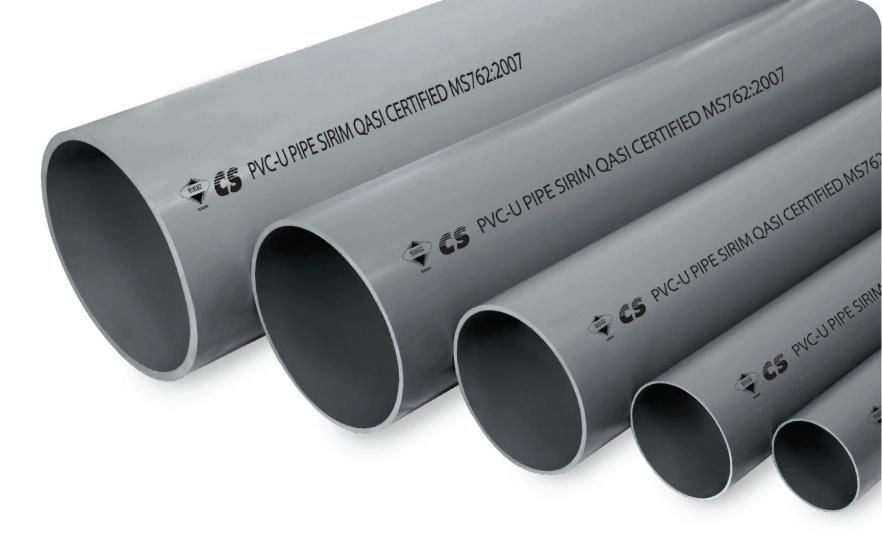
uPVC pipe, unplasticised PVC pipe, is what sits behind the walls of most modern Malaysian homes. It resists corrosion completely, weighs almost nothing, and joins with solvent cement in under a minute. When people search for "PVC pipe" in a residential context, this is almost always the material they mean.
Malaysian uPVC (PVC) pipe is graded by pressure class under MS 628: Class C at PN9, Class D at PN12, and Class E at PN15. Class D is the residential standard for cold supply. Class O exists and costs less, but it is thin-wall pipe meant for non-pressurised use.
There are limitations to uPVC. It softens above 60°C, so it is never used as a hot water line. Direct sun also makes it brittle within a few years, which is why exposed lines need a covered route. If you are planning a polycarbonate roofing extension, it is recommended to route the pipes underneath it rather than alongside.
2. CPVC Pipe: PVC That Can Handle Heat
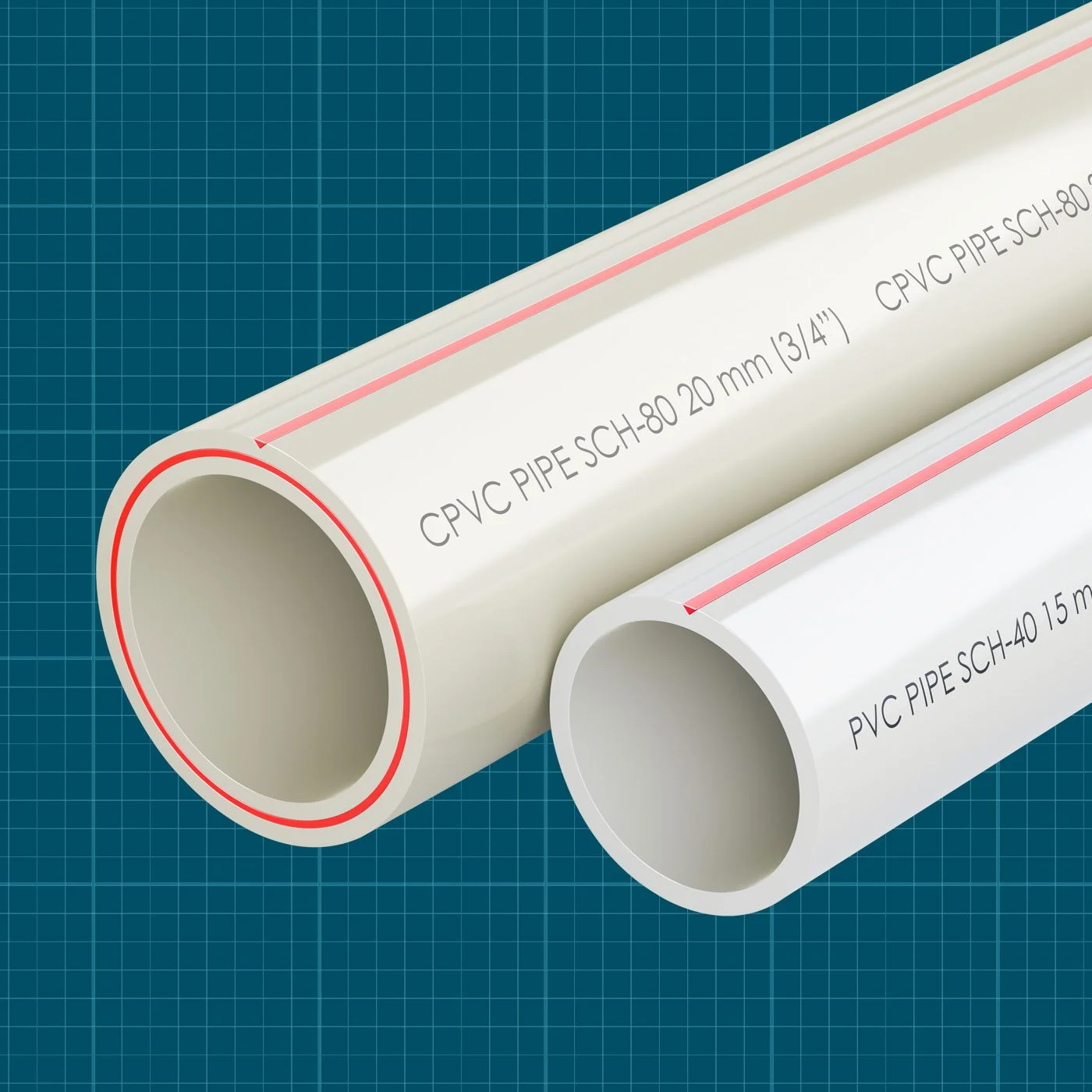
CPVC pipe is chlorinated PVC, reformulated to hold pressure at hot water temperatures. It uses the same solvent-cement joining method as uPVC, which makes it fast to install and familiar to any plumber.
CPVC is common in the United States and increasingly stocked here, though Malaysian contractors default to PPR for hot lines. It carries a yellowish tint that distinguishes it on site.
The limitation of CPVC pipes is brittleness. CPVC cracks easily under impact compared to PPR, so it belongs in concealed runs rather than exposed ones.
3. PPR Pipe: The Hot Water Workhorse
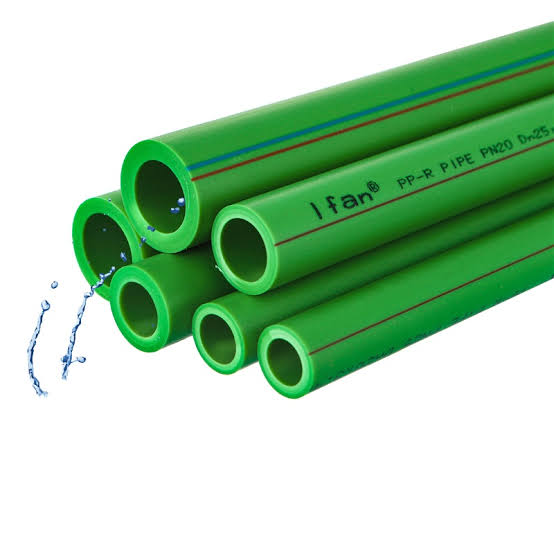
PPR is the standard hot water pipe in residential plumbing. Polypropylene random copolymer pipe joins by heat fusion, which produces a joint as strong as the pipe itself.
PPR manufactured to MS 2286, ISO 15874 and DIN 8077/8078 handles water up to 70°C and carries a 50-year design life, with no scaling and low pressure loss. Green pipe with a red stripe is the hot water grade (PN20 or PN22) whereas blue stripe is cold.
Cost sits between uPVC and copper. Supplier listings show PP-R PN10 cold water pipe starts at RM26.36 per length, and PN20 hot water grade starts at RM39.06, though exact pricing varies by brand and supplier. For a storage water heater setup, this is the most sensible choice.
4. PEX Pipe: Flexible, Fast, Still Rare Here
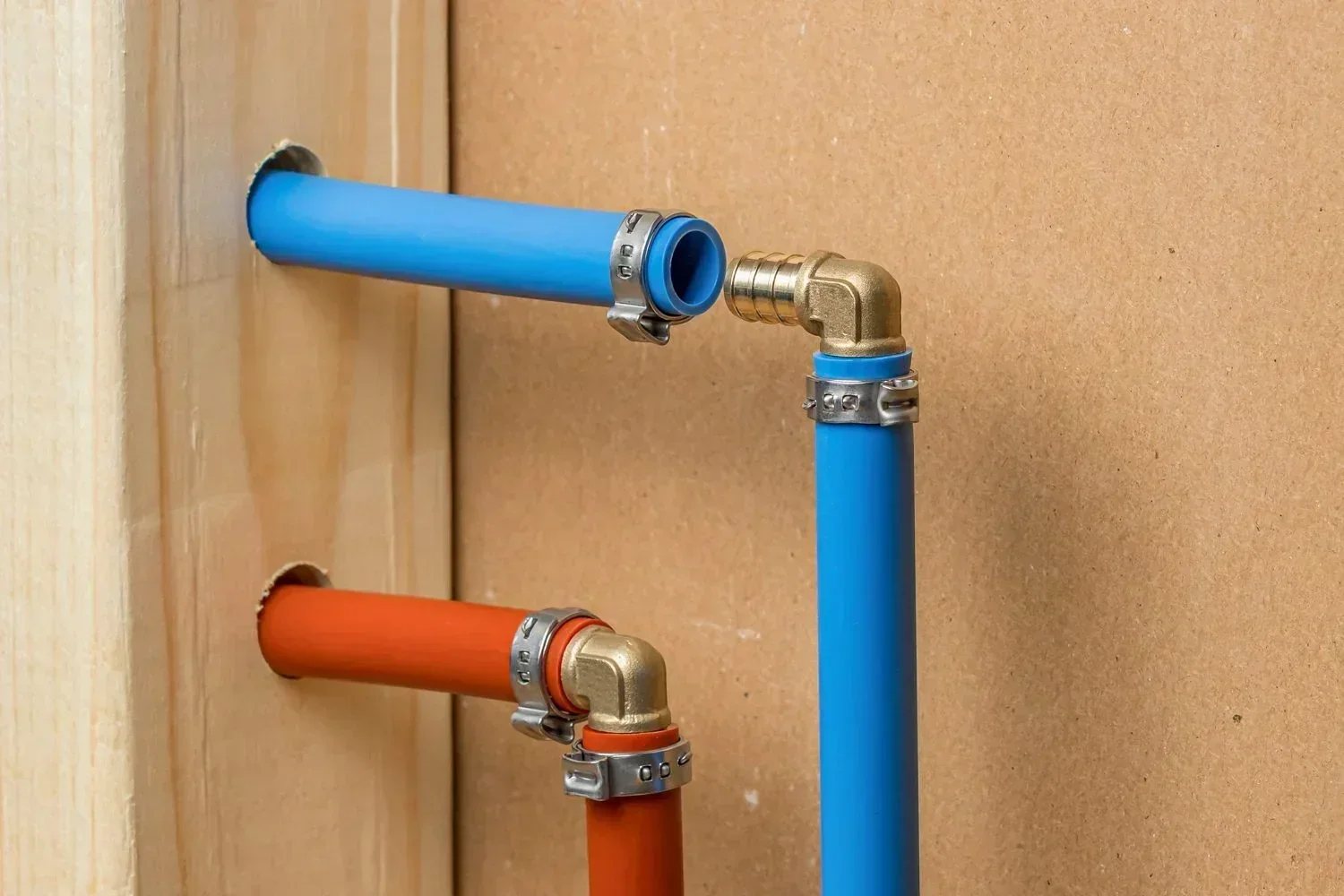
PEX pipe is cross-linked polyethylene supplied in coils, which means one continuous run from manifold to fixture with no joints in between. Fewer joints means fewer failure points.
PEX dominates new construction in North America and Australia. In Malaysia it remains a specialist product, stocked by fewer suppliers and installed by fewer plumbers. The piping material may be competitive, but the labour is not, because few contractors own the crimping tools.
Where PEX earns its place is retrofit work. Its flexibility lets you snake a new line through an existing ceiling void without opening a wall the full length of the run.
5. HDPE Pipe: For Everything Buried
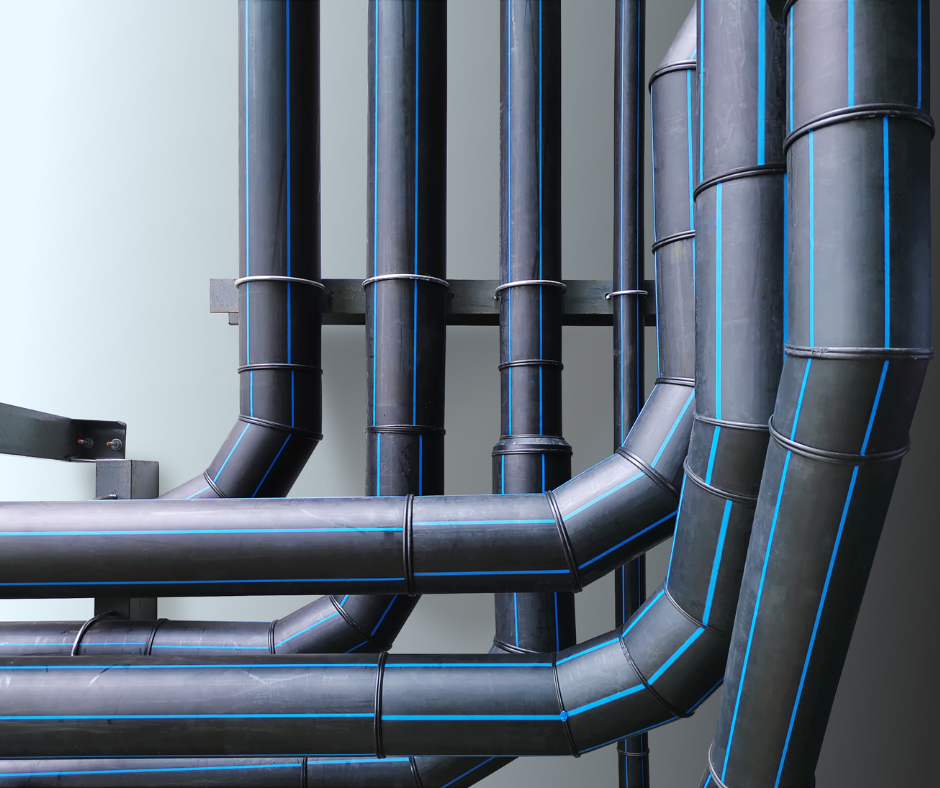
HDPE pipe is the material for anything underground. High-density polyethylene flexes with ground movement instead of cracking, and it takes no damage from soil chemistry.
Malaysian HDPE cold water pipe is manufactured to MS 1058, licensed by SIRIM and approved by local water authorities. It is what runs from your water meter to the house, and what feeds a garden irrigation line or an outdoor tap.
HDPE is not for hot water and not for concealed indoor runs. Its strength is in being able to handle ground settlement would normally snap a rigid pipe. The same logic applies to your water tank supply line, which sits outdoors and moves with the structure.
6. Copper Pipe: Expensive, and Still the Benchmark
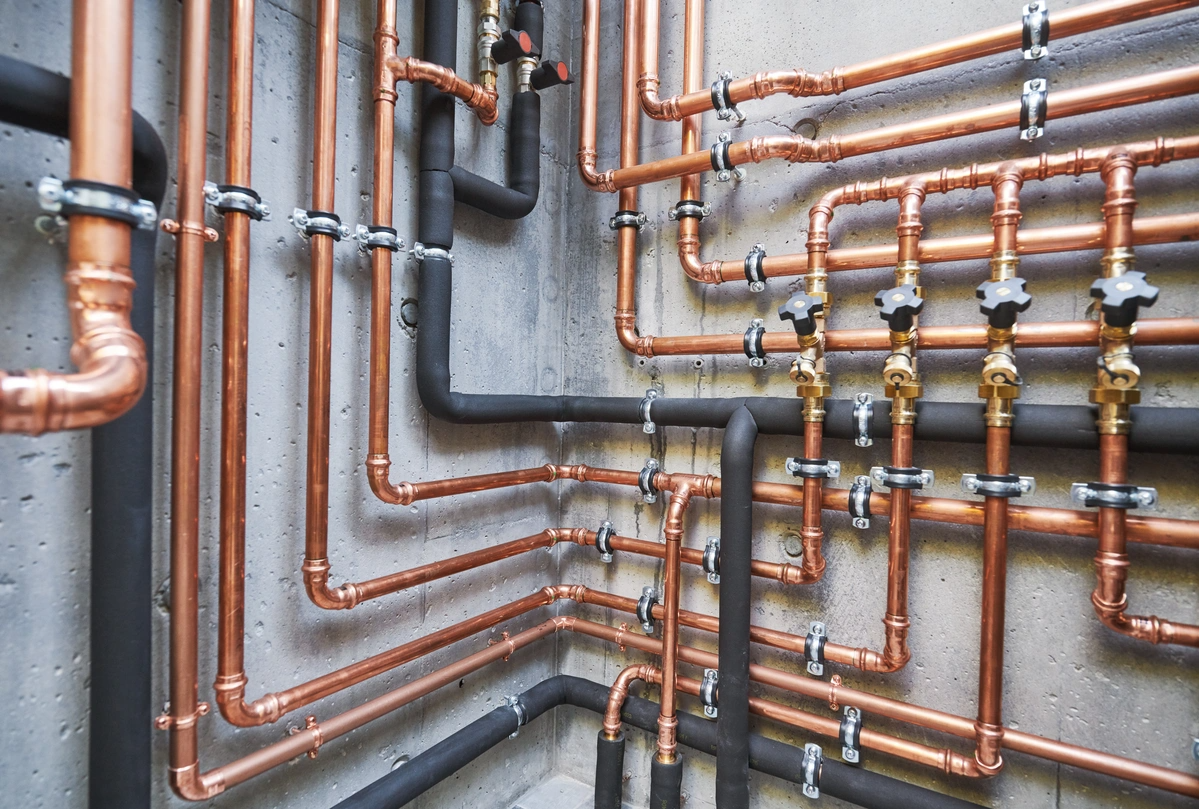
Copper pipe outlasts every plastic alternative and costs roughly 11 times more. A 15mm copper tube to BS 2871 runs around RM180.00 per 5.8m length, against RM14.00-RM16.50 for the same length in 15mm uPVC Class 6.
Copper can handle any temperature your water heater produces, resists bacterial growth, and shows leaks immediately. Pre-insulated copper tube is also available for hot and cold plumbing where thermal loss matters.
Its weakness is theft and labour. Copper needs soldering or compression fittings, which takes a skilled plumber longer. Most homes will use copper only for the short run between a storage water heater and its first junction, then switch to PPR onwards.
7. Galvanised Steel Pipe: Not Recommended
.webp)
A galvanised steel pipe is steel dipped in zinc coating. Once the coating depletes, bare steel meets chlorinated water and corrodes. Rust builds inward and narrows the bore year after year.
GI pipes rust from the inside, particularly at elbows and joints where water slows and sediment collects, and a standard water filter does not solve it.
You have two options. A chemical flush using citric acid-based solutions costs around RM500 and temporarily clears the existing system. Replacement with uPVC or PPR solves it permanently and costs considerably more. If your house is over 20 years old and never been repiped, assume galvanised pipe is in the walls until proven otherwise.
What About Cast Iron Pipes?
Cast iron pipe never carried drinking water in Malaysian homes. It was primarily chosen for soil and waste stacks in older shophouses and homes because it effectively muffled the noise of water flowing throughout the building.
Cast iron fails from the outside in, corroding at the base of the stack where it meets the ground. Suitable replacements would be uPVC S.W.V pipes, which is lighter, cheaper and does not rust, though it transmits more sound. Acoustic-grade uPVC addresses that noise issue.
Pipe Fittings: Where Systems Actually Fail
Straight pipe rarely bursts but the pipe fittings do.
Every elbow, tee, reducer and coupling is a joint, and every joint is a potential leak. Three rules hold across all seven materials:
- Match the fitting to the pipe: a uPVC fitting on a PPR line will fail, whatever the adaptor promises
- Check for SIRIM certification: certified products obtain approvals from SPAN and local authorities for use in both public and private projects; uncertified fittings are the cheapest line item and the most expensive failure
- Minimise direction changes: each 90-degree elbow costs pressure, and two 45-degree bends deliver better flow than one sharp turn
A smart home leak sensor placed under the sink or beside the water heater catches a failing fitting before it reaches your ceiling.
What Does a Repipe Cost in 2026?
Material is the small number. Labour and making good the wall are the large ones.
Figures are supplier and contractor-reported estimates for the Klang Valley in 2026 (FastlinkFix, KL Home Fixer), and will vary by contractor and site acess.
Choosing copper over uPVC adds RM570 in materials for a 20-meter run. Reopening a wall in eight years to replace a cheap pipe can costs thousands. Don't cut corners on piping choice: get the right material for each job.
Your Water Heater Is the Bigger Running Cost
Pipe material determines what your hot water system can do. Electricity determines what it costs to run.
Residential storage water heaters sold in Malaysia are commonly rated between 2,000W and 3,600W, and they cycle through the day to hold temperature. Other than your air conditioning, it becomes one of the two largest line items on your bill.
Rooftop solar changes the equation for daytime loads. A water heater on a timer, running while your panels produce, draws from solar rather than the grid. The same logic that makes solar worthwhile for air conditioning applies to hot water.
If you are already opening walls for a repipe, that is the cheapest moment to plan the electrical work too.
Frequently Asked Questions
What are the four types of pipes?
In Malaysian residential plumbing, the four you will meet are uPVC for cold supply, PPR for hot supply, HDPE for buried lines, and copper for water heater runs. Some references use a different four: supply, soil, waste and vent, which classify pipes by function rather than material.
What is a water pipe called?
By function: a supply pipe carries pressurised drinking water, a soil pipe carries toilet waste, a waste pipe carries sink and shower discharge, and a vent pipe relieves air pressure in the stack. By material, you will hear plumbers name it directly: PVC pipe, PPR, copper, GI.
Is uPVC pipe the same as PVC pipe?
For residential water supply, yes: "PVC pipe" and "uPVC pipe" refer to the same grey pressure pipe running behind your walls. uPVC (unplasticised PVC) is the technically correct name, since the pipe contains no plasticisers, but suppliers, plumbers and search engines use the two terms interchangeably. What matters is the class marking, not the name: Class D or E under MS 628 for pressurised supply, not Class O, which is thin-wall and non-pressurised.
Can I use PVC pipe for hot water?
No. Standard uPVC softens above 60°C and will deform under storage water heater output. Use PPR PN20, CPVC, or copper for any hot line.
How long do water pipes last in Malaysia?
uPVC lasts 30–50 years indoors and less if exposed to direct sun. PPR carries a 50-year design life. Galvanised steel gives 20–30 years here before internal rust restricts flow, which is why brown water shows up in homes after two decades.
Which water pipe is best for a Malaysian home?
uPVC Class D for cold supply, PPR PN20 for hot, HDPE for anything underground. That combination covers a standard landed home and is what most reputable contractors will quote.
Fix the Pipe Once, Then Fix the Bill
Water piping is a decision you make once every 30 years. There is no distinction between a RM14 pipe and a RM180 once both are installed behind your walls, except that only one of them will still be doing their job decades from now.
Getting the right material for each job: uPVC for cold, PPR for hot, HDPE for buried, copper for heat and longevity. Then look at what your hot water is costing you every month, because that number keeps growing whether or not your pipes are sound.
For a deeper look at what a rooftop solar system costs and returns, see our complete guide to solar panel prices in Malaysia.
Check out our free solar calculator to calculate your potential roof savings, or chat with the team on WhatsApp whenever you are ready.

Rent-to-Own Solar. RM0 Upfront cost. Guaranteed Savings
Immediate ROI



Rent-to-Own Solar. RM0 Upfront cost. Guaranteed Savings
(10-Year RTO plan)
+ 10-Year Free Maintenance

Be part of The Solar Collective, where we share the latest updates, tips, and discussions on solar energy.


.png)