Key Takeaways:
Polycarbonate roofing costs RM15–RM40/sqft installed in Malaysia and, with proper UV coating, lasts 10–20 years. It costs more than PVC upfront but wins on impact resistance and heat control, making it the better pick for car porches, patios and skylights.
This guide is useful if you’re planning on covering your car porch, adding a patio roof, or putting a skylight over a kitchen extension.
We look at roof material and condition on every solar site assessment we run across Singapore and Malaysia, because the sheet type and frame underneath directly affect what a solar system can be mounted on. That's the lens this guide comes from: what actually holds up, and what a contractor's quote is paying for.
Polycarbonate has become the go-to material for these jobs because it lets light through without the leak risk of a solid roof. But "polycarbonate" comes in a few different forms, at a few different price points, and the difference between a roof that lasts 5 years and one that lasts 20 usually comes down to details most homeowners don’t think about.
Factors That Determine Which Polycarbonate Sheet You Need
Before you get quotes, it helps to know which sheet type and thickness make sense for your job:
What are you covering? A car porch has different demands from a patio you sit under in the afternoon, or a skylight over a kitchen. Heat and glare matter a lot more for the second two.
Do you want maximum daylight, or some heat control? Solid clear polycarbonate lets in the most light and the most heat. Twinwall sheets trade a bit of clarity for a drop in heat transfer, thanks to the trapped air layer between panels.
Can your existing frame take a heavier sheet? Thicker solid sheets and twinwall panels weigh more than thin corrugated sheets. If you're retrofitting an old aluminium frame, check if it can handle the extra load before you commit to a heavier option.
The same load question comes up if you're comparing roof types for a solar installation, where tiled and metal roofs each carry panels differently.
How much UV exposure will it get? A roof that gets direct sun exposure all year needs a properly UV-coated sheet. Cutting corners here is the most common reason polycarbonate roofs fail early.
What's he Difference Between Solid, Twinwall, and Corrugated Polycarbonate?
They are all made from the same raw material, but the manufacturing process determines what each one is good for.
Solid sheet is a single, continuous layer, essentially a flexible pane of glass. It gives you the clearest view through the roof and the highest impact resistance of the three, which is why it's the pick for skylights and anywhere clarity matters. It's also the most expensive.
Twinwall (or multiwall) sheet sandwiches two or more layers with air gaps in between, similar in concept to double glazing. That trapped air is what gives it noticeably better heat insulation than solid sheet. The trade-off is a bit less clarity and a slightly higher price than corrugated.
Corrugated sheet has a ridged profile, similar to old-style zinc roofing, which adds rigidity and helps water run off quickly. It's the cheapest option and the one you'll see most often on basic car porches and back-lane awnings.
Mini takeaway: Twinwall wins on heat control, solid wins on clarity and strength, corrugated wins on price. Pick the one that matches what you're actually covering.
Most Common Roofing Sheet Options in Malaysia
Here's how the main options actually compare once you're standing in front of a supplier's price list. The ranges below reflect current market rates across Malaysian suppliers; actual quotes will vary by region, sheet brand, and material costs at the time you book.
1. Corrugated polycarbonate sheet
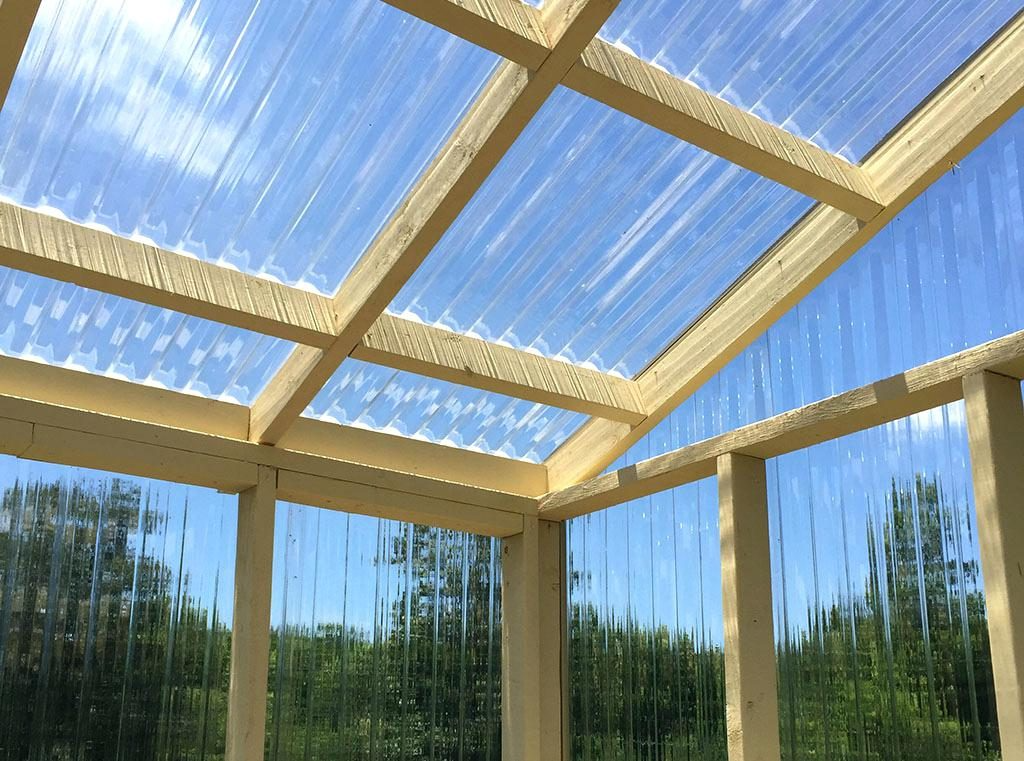
Corrugated sheets run about RM15–RM20/sqft installed, making them the cheapest way to get a functional, light-admitting roof over a car porch. Raw sheet alone typically costs RM7–RM8.50/sqft, depending on whether you go clear or embossed.
Most corrugated sheets sit at 1–2mm, which is fine for a car porch but won't hold up as well under heavier rain load or on a larger span. It's also the option most likely to show visible sagging over time if the UV coating isn't up to standard.
2. Solid polycarbonate sheet
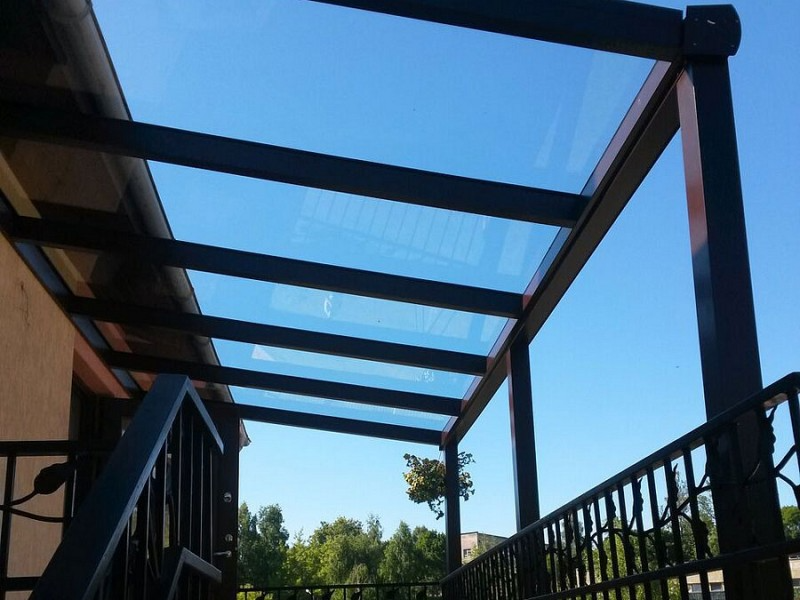
At 3mm, solid sheet runs roughly RM25–RM35/sqft installed and is the standard choice for a proper car porch or patio cover. Go up to 4–6mm and you're looking at RM30–RM40/sqft, which makes sense for larger spans or areas with heavier rainfall.
Solid sheet is your best option if impact resistance and clarity both matter since it's rated many times stronger than glass of the same thickness, and a UV-coated version can last 15–20 years.
3. Twinwall (multiwall) polycarbonate sheet
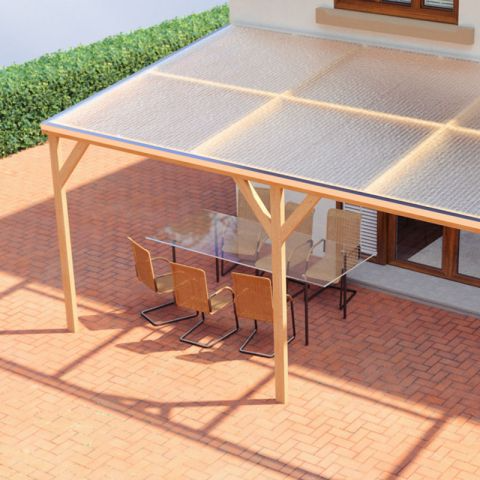
Twinwall sheets, generally 8mm and above, cost from RM40/sqft installed and upward. That premium buys you significantly better heat performance, which matters if you're covering a patio you actually sit under, or a skylight above a room you don't want turning into a greenhouse.
It's the least common of the three for basic car porches simply because most homeowners don't need the extra insulation there. For anywhere where heat is a real concern, it's worth the higher price.
4. PVC corrugated sheet (the budget alternative)
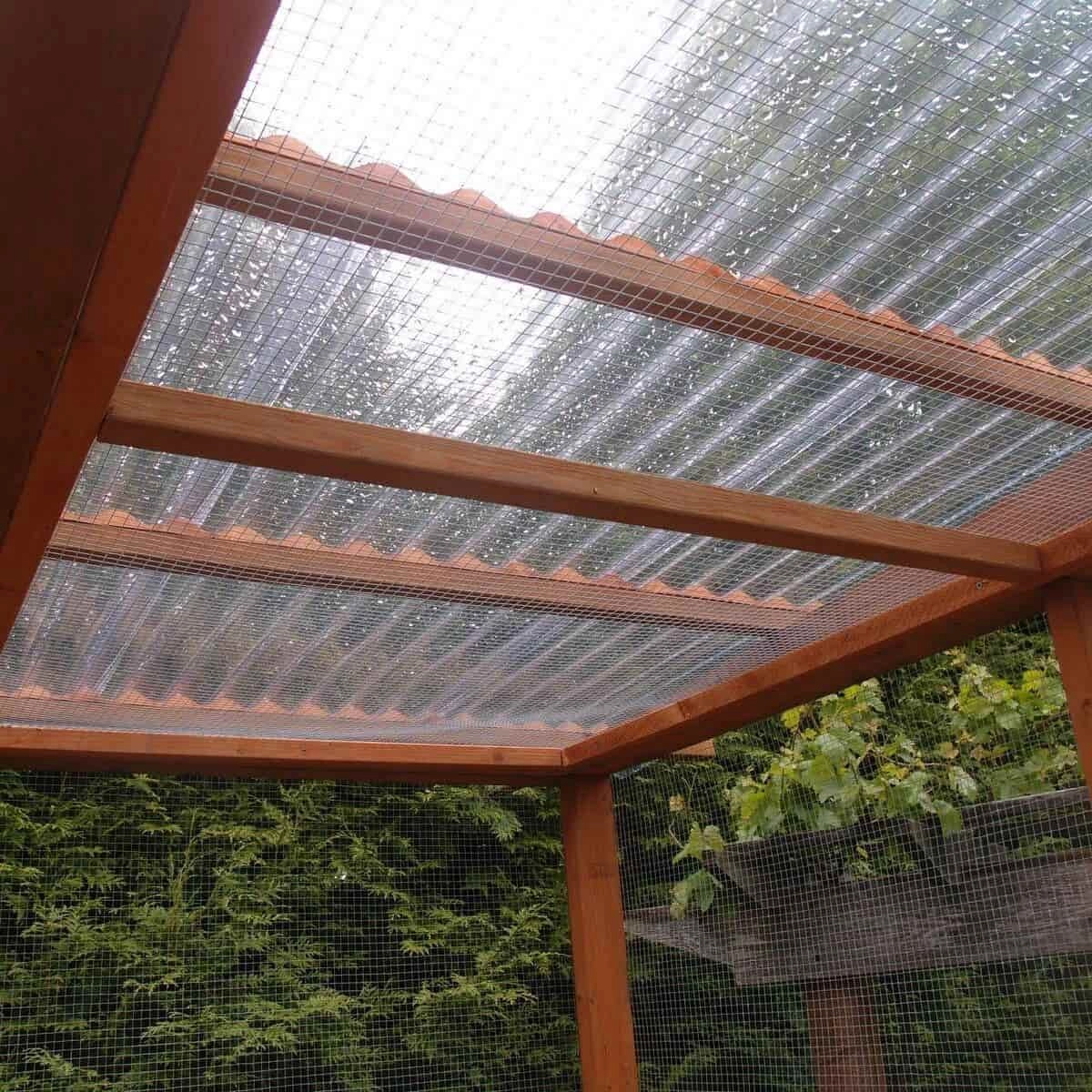
Worth a mention since it's often quoted alongside polycarbonate: PVC roofing runs cheaper, at roughly RM8–RM18/sqft installed, and holds up reasonably well for light-duty jobs.
Where it falls short is impact resistance and longevity since most PVC sheets last 8–15 years against polycarbonate's 10–20, and they're more prone to cracking under a heavy branch or hailstone. If your budget is tight and the roof is of less importance, PVC is a legitimate option.
Why UV Protection Is an Important Detail
A polycarbonate sheet without proper UV protection can visibly yellow and turn brittle within 3–5 years under Malaysia's sun, regardless of how thick or expensive it was to begin with.
The UV layer is usually factory-applied to one or both faces, and this detail is almost never included on a quote unless you specifically ask for it. A 10-year warranty is a reasonable minimum to expect from a properly coated sheet.
Beyond the sheet itself, most cracking problems trace back to installation rather than the material Ask your installer whether they're using rubber or neoprene washers and pre-drilled, oversized holes.
Mini takeaway: a 10-year warranty on a UV-coated sheet is the minimum worth accepting. Anything shorter usually means the coating was skipped.
What to Check Before You Sign a Quote
- Is the sheet UV-coated on one side or both?
- What's the warranty on the sheet, separate from the warranty on workmanship?
- Is the frame aluminium or mild steel, and does that match your budget for long-term rust resistance?
- Is the contractor CIDB-registered? You can check a contractor's registration status directly with CIDB before you commit.
For a broader look at vetting roofing contractors in Malaysia generally, our Top 10 Roofing Contractors in Malaysia guide covers what separates a reliable installer from a risky one.
When Should You Consider Polycarbonate Roofing?
If you're building a new car porch, patio, or skylight extension, you can pick whatever roofing material suits the look and budget you want. But if you're replacing an existing awning roof, watch for these signs first:
- Your existing sheet has turned cloudy or yellow. This is UV degradation, and once it starts, it only gets worse. A hazy sheet is losing light transmission and structural integrity at the same time.
- You're seeing hairline cracks around the screws. This usually means the sheet was fixed with rigid fasteners that didn't allow for thermal expansion.
- Water is pooling instead of draining. Flat or poorly pitched polycarbonate roofs collect water at the low points, which speeds up sagging and leaks at the seams.
- The frame underneath is rusting. If you went with a mild-steel frame in a humid spot, rust can weaken the whole structure well before the sheet itself gives out.
Is Polycarbonate Roofing Worth It?
For a car porch, patio, or skylight extension, polycarbonate roofing is the best balance of daylight, durability and price. For a full house re-roof, tile and metal remain the standard there, and polycarbonate isn't built for that structural load. If your renovation extends beyond the roof, our water tank guide covers another upgrade homeowners often tackle in the same round of works.
If you're weighing this alongside solar, keep in mind that polycarbonate and ACP awning roofs need a different mounting approach than tiled or metal roofs, and not every structure can take the added weight of a panel system. Check our roof suitability checklist first, then use our free solar calculator to see what your specific roof could generate, or chat with our team on WhatsApp if you'd rather plan the roofing and solar work together.
Frequently Asked Questions
How long will a polycarbonate roof last?
A properly UV-coated sheet holds up for 10–20 years, and premium solid sheets can stretch to 25. Skip the UV coating and you're looking at 3–5 years before it visibly yellows. Source: mekpanpanel.com
How many years does polycarbonate last without a UV coating?
Usually 3–5 years under Malaysia's sun before it turns brittle and hazy.
What is better, PVC or polycarbonate roof panels?
Polycarbonate wins through impact resistance, lifespan, and heat control with a twinwall sheet. PVC wins purely on upfront cost. Source: mekpanpanel.com
Does polycarbonate crack easily?
Not from impacts. Cracking almost always happens at the fasteners, where rigid screws don't leave room for the sheet to expand and contract with heat.
Does it get hot under a polycarbonate roof?
Yes, solid sheet transmits heat almost as readily as it transmit light. Twinwall polycarbonate roof panels cool this down noticeably thanks to the trapped air layer between panels.
Which thickness of polycarbonate roofing sheets is best?
For a standard car porch, 3mm solid does the job. Go up to 4–6mm for larger spans or heavier rain, or 8mm+ twinwall if heat control matters more than budget.
What should you not use on polycarbonate?
Skip these,as they strip the UV coating and speed up yellowing:
- Abrasive scrubbers
- Ammonia-based glass cleaners
- Solvents such as acetone
Mild detergent and a soft cloth is all it needs.

Rent-to-Own Solar. RM0 Upfront cost. Guaranteed Savings
Immediate ROI


Rent-to-Own Solar. RM0 Upfront cost. Guaranteed Savings
(10-Year RTO plan)
+ 10-Year Free Maintenance

Be part of The Solar Collective, where we share the latest updates, tips, and discussions on solar energy.
.png)