[Updated, August 2026]
Solar panel price in Malaysia in 2026 typically ranges between RM18,000 and RM35,000 for most landed homes, depending on system size and roof type. Larger homes can spend RM40,000 to RM60,000 for higher-capacity systems.
But prices can vary widely. One installer may quote RM18,000 while another quotes RM35,000 for a similar house.
In this guide, we break down what Malaysian homeowners actually pay for solar today, what affects installation cost, and how upcoming price changes in April 2026 could impact future quotes.
How Much Does it Cost to Install Solar Panels in Malaysia?
For a typical Malaysian landed home, here's what you can realistically expect to pay for a fully installed solar system, as of March 2026.
.webp)
Terrace House (Single or Double Storey)
A standard double-storey terrace house with a monthly electricity bill of around RM 150 to RM 250 typically needs a 4 to 5 kWp system. This covers roughly 16 to 20 sqm of roof space and costs between RM15,000 and RM22,000 upon full installation.
Semi-Detached House
A semi-D with a monthly bill of RM 350 to RM 500 generally needs 7 to 9 kWp. Full installation costs typically fall between RM26,000 and RM38,000.
Bungalow
Bungalows with high electricity consumption (bills of RM 600 or more) usually require 10 kWp and above. Installations in this range start at RM38,000 and can exceed RM60,000 for larger systems.
Why Does Solar Malaysia Prices Vary So Much?
The solar panel cost in Malaysia depends on several key factors. If you've received three quotes and they're all different, that's completely normal.
1. System Size (kW)
The bigger the system, the higher the upfront cost — but also the greater the savings. Most Malaysian families with a monthly TNB bill of RM200–RM400 will find a 5–8 kW system to be the sweet spot.
2. Panel Technology
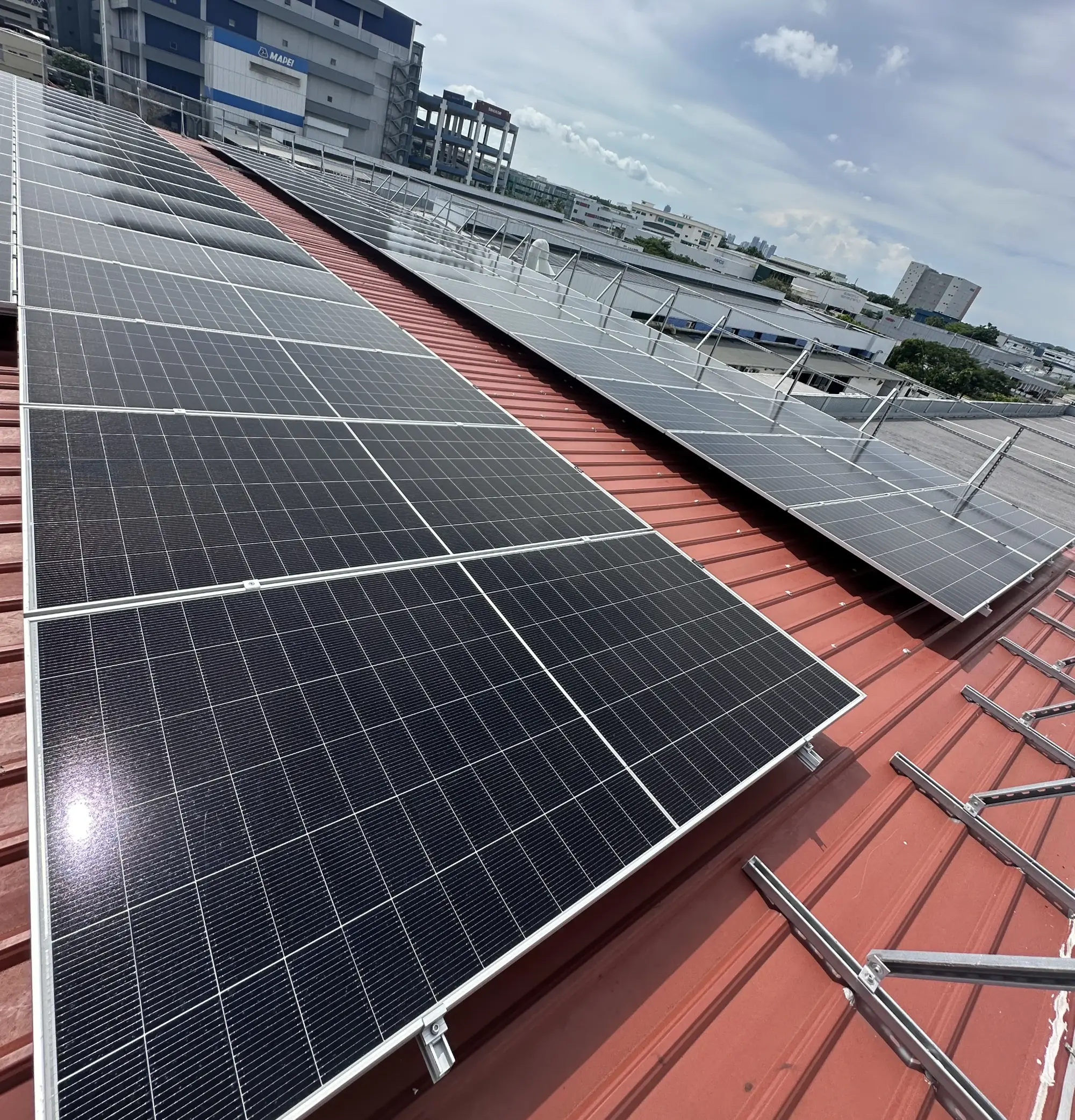
There are two main panel types on the market:
- Monocrystalline panels: More efficient, perform better in heat and low light, typically cost RM1.80–RM2.50 per watt. The N-Type monocrystalline is now the industry standard in 2026.
- Polycrystalline panels: Cheaper at around RM1.40–RM1.90 per watt, but less efficient and require more roof space. Becoming less common.
For most Malaysian roofs, monocrystalline is the better long-term investment.
3. Inverter Type
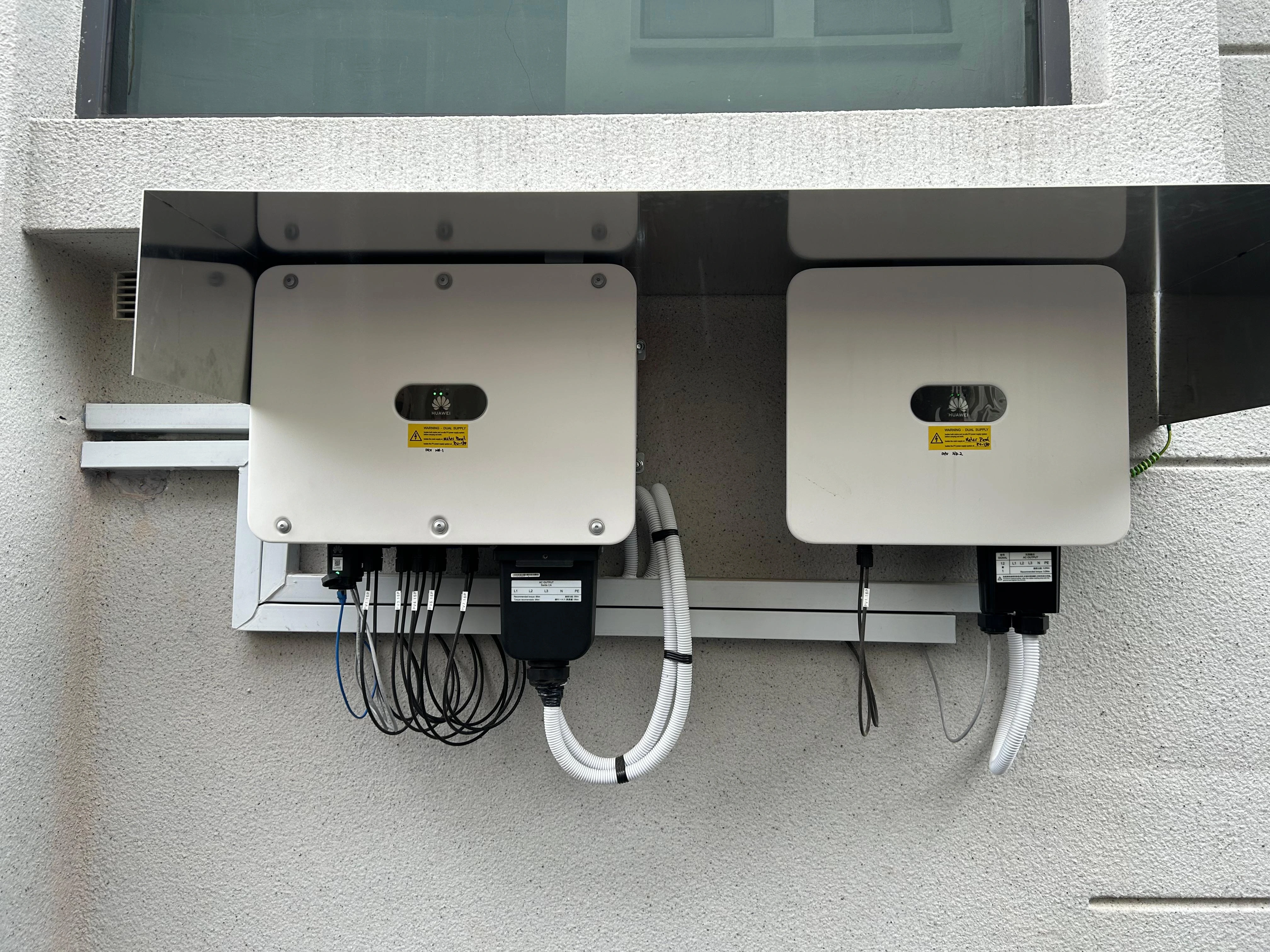
The inverter converts DC electricity from your panels into AC electricity your home uses.
- String inverters: Most affordable (RM3,000–RM5,000), suitable for unshaded roofs.
- Microinverters / power optimisers: More expensive (RM5,000–RM8,000+), but deliver better performance on complex or partially shaded roofs.
4. Roof Type and Installation Complexity
A simple flat or low-pitch roof costs less to install than a steep hip roof or one with multiple sections. If scaffolding is required, expect to add RM1,500–RM3,000 to your quote.
5. Brand and Installer Quality
As with most things, you get what you pay for. Established brands like LONGi, JA Solar, Jinko, and Huawei command a premium, but come with better warranties and proven track records.
Hidden Costs to Budget For
A good provider will be upfront about these, but it's worth knowing them in advance:
- Inverter replacement: Inverters typically last 10–15 years. Budget RM3,000–RM6,000 for a replacement around year 12–15.
- Annual maintenance: Cleaning and inspections run RM500–RM1,000/year, though many installers include a few years of maintenance in their packages. GetSolar offers FREE maintenance throughout the entirety of a customer’s RTO plan, at least 5-10 years of hassle-free maintenance at no additional cost.
- Battery storage (optional): If you want to store energy for nighttime use, lithium iron phosphate batteries add RM8,000–RM20,000+ to the system cost, depending on capacity.
The April 2026 Price Shift: What It Means for Solar Malaysia Price
Effective April 1, 2026, China is removing its VAT export tax rebates for photovoltaic products — dropping the rebate from 9% to 0%. China manufactures the vast majority of solar panels used in Malaysia, so this directly impacts the landed cost of modules here.
Industry analysts at UOB Kay Hian project that solar module prices will move upward from around USD 0.12 per watt to approximately USD 0.13 per watt by mid-2026.
Module prices have already risen 10% to 15% between December 2025 and January 2026 as manufacturers pre-adjust their prices.
For homeowners considering solar, quotes received before April 2026 may reflect lower equipment costs than those issued later in the year. If you are in the middle of comparing quotes, it is worth factoring this into your timeline.
Real Payback Numbers by House Type
Most homeowners who invest in a quality solar system can expect to see their investment returned within 5–8 years. Those with higher electricity consumption and optimal roof setups can achieve payback in as little as 3–4 years.
Double-storey terrace, RM 200/month bill: Save roughly RM1,200 – RM1,600 per year. Payback on a RM 20,000 system: 8–12 years.
Double-storey terrace, RM 300/month bill: Save RM2,500 – RM3,500 per year.Payback: 6–8 years.
Semi-D, RM 450/month bill: Save RM4,000 – RM6,000 per year on a 8–9 kWp system. Payback on RM 2,000 system: 5–8 years.
Bungalow, RM800 – RM1,000/month bill: Save RM7,000 – RM10,000 per year. Payback on RM55,000 system: under 8 years.
How Solar ATAP Helps Bring These Numbers Down Further
Beyond the direct savings on your TNB bill, Solar ATAP provides an additional financial cushion that can shorten your payback period. Any excess solar energy your home generates during the day is exported back to the grid and credited against your bill at the prevailing retail tariff rate.
Over time, these bill credits reduce your overall electricity spending and help shorten your solar payback period in some cases by a full year or more. Under Solar ATAP, your financial returns are even greater through a more efficient operational framework.
For a full breakdown of how Solar ATAP works and who qualifies, visit our comprehensive Solar ATAP guide.
How Much Can Solar Save in Malaysia?
Over a 25-year system lifetime, a typical Malaysian home can save between RM70,000 and RM120,000 in electricity costs.
Here's a simplified view of cumulative savings by house type, assuming modest annual savings and no significant tariff increases:
- Terrace house (RM300/month bill): ~RM75,000 over 25 years
- Semi-D (RM450/month bill): ~RM95,000 over 25 years
- Bungalow (RM800/month bill): ~RM120,000+ over 25 years
These numbers improve further if electricity tariffs rise over time, which has historically been the pattern in Malaysia.
Financing Options: You Don't Have to Pay Upfront
0% Instalment Plans
Many installers partner with banks to offer 0% interest instalment plans over 12–60 months. This turns a RM25,000 system into monthly payments of around RM415–RM500, which can be partially offset by your monthly electricity savings from day one.
Rent-to-Own (RTO) Solar
Rent-to-Own plans allow homeowners to install solar with zero upfront cost. Instead of paying RM20,000 or more upfront, you make fixed monthly payments over 5-10 years while the system generates electricity savings for your home.
With GetSolar’s RTO plans in Malaysia, homeowners can start from RM248/month with no upfront payment, while enjoying maintenance and performance guarantees throughout the plan. This is GetSolar's most popular option for homeowners who want solar without committing a large lump sum.
Want to know what maintenance is covered under our RTO plans? Visit our dedicated article here.
Green Technology Financing Scheme (GTFS)
The Malaysian government has extended the GTFS with RM1 billion in funding available through 2026. This scheme offers subsidised interest rates on solar financing through participating banks.
Solar financing is not one-size-fits-all; there are various structures suited to your capital budget and preferred monthly repayment terms. Here is a comparison of the different financing options and the strengths and weaknesses for each one.
Is Solar Worth It in Malaysia?
A quality solar system for a typical Malaysian home will cost between RM18,000 and RM35,000, with most households landing around RM22,000–RM28,000 for a 6–8 kW setup.
April 2026 marks a meaningful shift in solar pricing in Malaysia. Panel manufacturers have signalled and begun adjusting prices upward ahead of the policy change. Quotes available now reflect some of the most competitive rates the market has seen in recent years.
Solar is not a small investment, but with flexible financing options, the Solar ATAP scheme, and Malaysia's excellent sunlight throughout the year, it remains one of the few home upgrades that genuinely pays you back over time.
The next step is straightforward: get a few quotes from a trusted provider, ask for an itemised breakdown, and run the numbers against your actual TNB bill. The right system for your home might be closer to affordable than you think.
Ty our free solar calculator to estimate your savings, or chat with us on WhatsApp to speak with our team directly.

Rent-to-Own Solar. RM0 Upfront cost. Guaranteed Savings
Immediate ROI



Rent-to-Own Solar. RM0 Upfront cost. Guaranteed Savings
(10-Year RTO plan)
+ 10-Year Free Maintenance

Be part of The Solar Collective, where we share the latest updates, tips, and discussions on solar energy.