Key Takeaways:
A smart home connects your lighting, appliances, and fixtures to a shared network you can schedule, sense, or voice-control instead of switching everything on and off manually. In Malaysia, a starter setup costs RM500–RM2,000, a practical mid-range system runs RM2,000–RM8,000, and full automation reaches RM10,000–RM30,000. The hardware itself doesn’t save electricity, automating high-drain appliances like your aircon and water heater is what actually lowers your TNB bill.
A RM39 smart plug from Shopee and a RM30,000 full-house automation setup share the exact same marketing label, leaving many homeowners clueless about what a smart home should actually cost, or what it actually delivers.
We see this gap constantly in solar consultations: homeowners assume buying smart devices alone will cut their bill, when it's really about what those devices are set up to control. Think of a smart home as a control layer, not an energy product as it decides when appliances run. In a typical Malaysian home, most of the potential savings come down to two high-drain appliances, your aircon and water heater, plus how much of that usage you can shift off-peak.
Here is the realistic breakdown of price tiers, individual device costs, and the exact setups that contribute to lowering your monthly bill.
What Is a Smart Home?
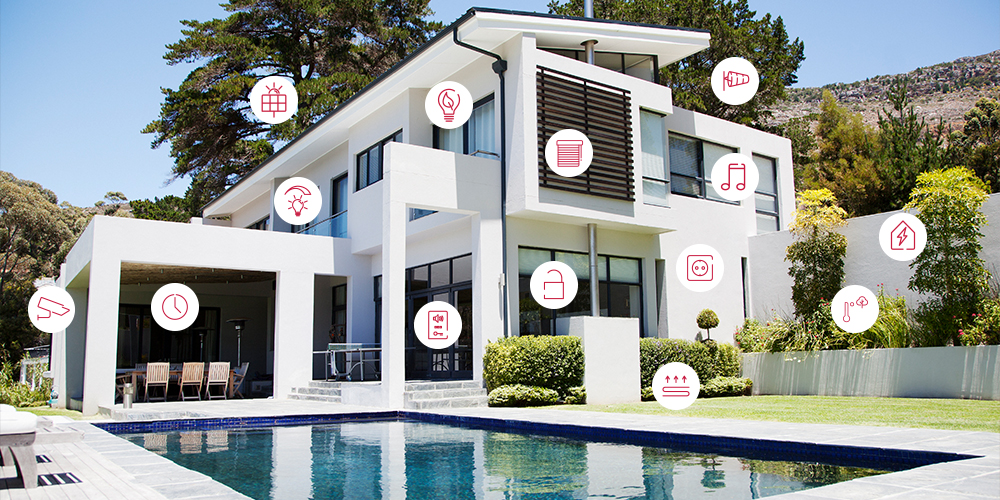
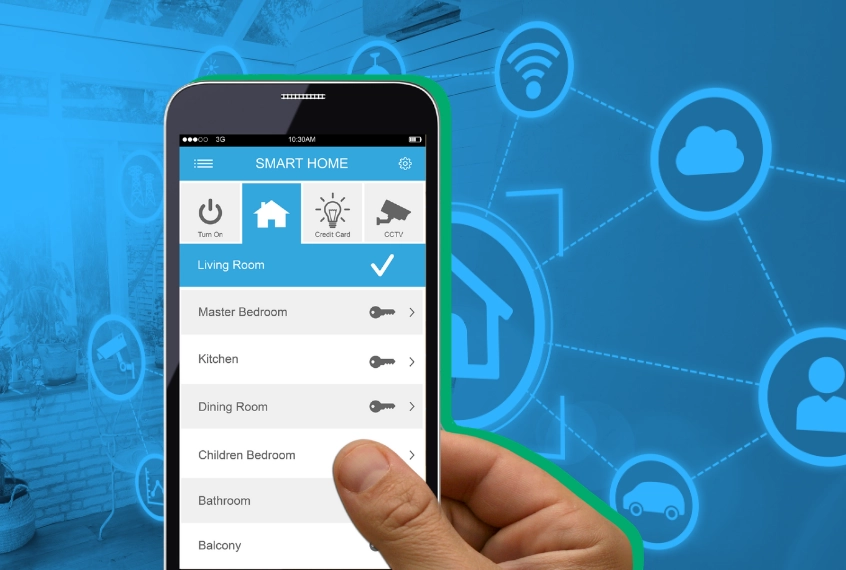
A smart home simply takes your lighting, appliances, and fixtures off physical switches and connects them to a shared network that responds to schedules, sensors, or voice. Whether it's a cheap starter kit or a RM30,000 full-suite installation, every system relies on four core layers:
- Devices: The hardware doing the work — bulbs, switches, plugs, locks, cameras, and aircon controllers.
- Network: The standard (Wi-Fi, Zigbee, or Matter) passing signals around. Choose carefully, as this dictates future compatibility.
- Hub or App: The interface where you set the rules. Simple setups rely on a phone app while complex ones use a local hub.
- Automations: The actual logic — like cutting the aircon at 3 AM or heating shower water for 30 minutes at dawn.
Buying smart devices without setting up automations isn’t enough to make it a true smart home. Automations are the layer that actually cuts your electricity bills.
What Does a Smart Home Cost in Malaysia in 2026?
A practical smart home setup sits right between RM2,000 and RM8,000. Anything below RM2,000 only gets you a room or two; anything above RM8,000 gives you access to full-house integration, motorised blinds, and professional installers.
Sources: CopperConnect Malaysia, Grapes Smart Tech, Aihome Malaysia (September 2026)
What Do Individual Smart Home Devices Cost?
Device prices in Malaysia have dropped since Tuya-based hardware became the default. A smart wall switch that cost RM250 five years ago now sells for under RM100.
Sources: Aihome Malaysia, TT Lighting, CCTV Installation Malaysia (September 2026). Installed prices add roughly RM50–RM150 per point for anything hardwired.
The hardware is cheap. What pushes a project past RM10,000 is labour, curtain tracks and anything that needs rewiring.
Does a Smart Home Lower Your TNB Bill?
Yes, but almost entirely through your aircond, and only if you automate it. The rest is just for pure convenience.
Air conditioning eats 30% to 50% of an average Malaysian home's power bill. A 1.5HP inverter unit running 8 hours every night burns roughly 161 kWh a month (RM77 at current rates). Shaving off just two unnecessary hours via smart schedules or motion sensors saves around RM19 a month. On an older, non-inverter unit, those savings nearly double (which is why your aircon type often matters more than the smart controller you attach to it).
A smart home doesn't magically use less energy but it does prevent you from paying for power unnecessarily. Check your own electricity usage with our TNB bill calculator before you buy anything, and check out what your aircond actually costs to run.
How Smart Meters and the ToU Tariff Change the Maths
TNB is installing smart meters across 10.4 million homes in Peninsular Malaysia by 2028, and the smart meter is what unlocks the optional Time-of-Use (ToU) tariff.
Source: TNB tariff schedule effective 1 July 2025. Capacity (4.55 sen/kWh), network (12.85 sen/kWh), retail charge and AFA apply on top of these rates.
ToU heavily rewards off-peak habits while penalising afternoon power surges. For a household drawing 800 kWh a month, shifting 70% of usage to off-peak hours cuts roughly RM11 off your monthly bill versus the standard rate.
This is where automation earns its place. Water heaters, washing machines, dryers, pool pumps and EV chargers all run fine on a timer, and a timer is the cheapest smart device you can buy.
Where a Smart Home and Solar Actually Meet
Solar makes your daytime electricity cheap while a smart home moves your usage into the daytime. That's the entire relationship, and it's why both work so well together.
Whenever your panels produce more than the house is using, the extra flows out to the grid and Solar ATAP credits you 27.03 sen/kWh for it. Use that same unit yourself and you avoid paying 48.10 sen to import it.
So the goal is simple: run the heavy appliances while the sun is out. On a 5 kWp system generating around 600 kWh a month, shifting an extra 20% of that generation into your own use is worth roughly RM19-25 a month, depending on your system size and usage pattern.
That's exactly where smart home automation handles it for you. Set the washing machine for noon, and charge your EV in the daytime rather than overnight.
For a deeper look at the energy side of the equation, see our guide to solar panel costs in Malaysia and our list of 7 green home upgrades that reduce your bill.
What Is the Best Smart Home System in Malaysia?
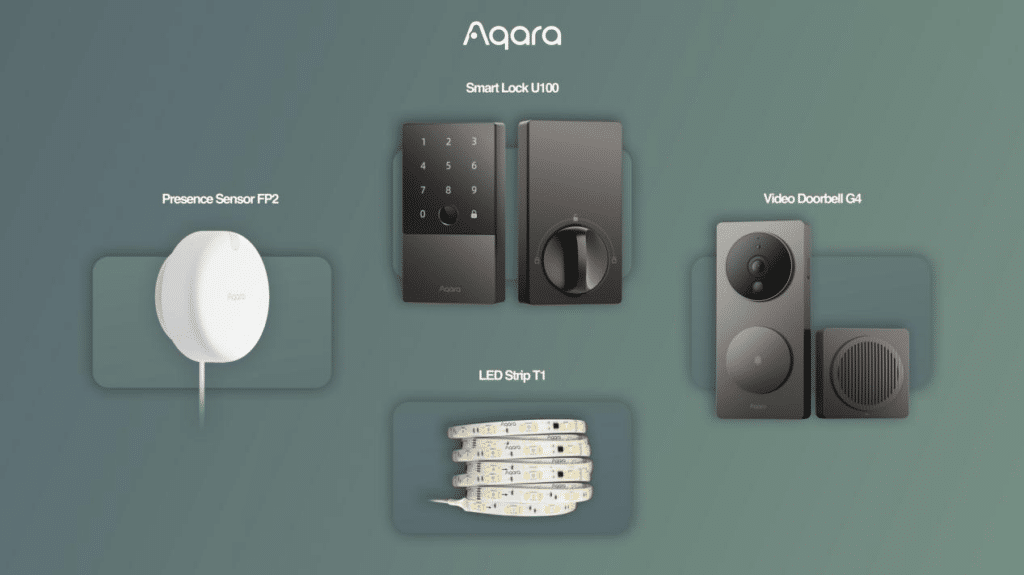
There is no single best system, but for most homes it comes down to Tuya for maximum variety at budget prices, Aqara for ultra-reliable sensors and Apple Home integration, or Xiaomi Mi Home if you’re already on their ecosystem.
Always decide on a platform to commit to before buying individual devices as mismatching devices may interfere with automation capabilities in the future.
Every smart home system runs on one of three protocols:
- Wi-Fi: Budget-friendly and hub-free. However, crowding your router with more than 25–30 Wi-Fi devices in a standard terrace house might cause connection drops.
- Zigbee: Highly energy-efficient and scalable, though it requires a central hub. This is the recommended baseline for anything beyond a basic 1-room setup.
- Matter: The universal cross-brand standard backed by Apple, Google, Amazon, and Samsung.
How Do I Turn My Home Into a Smart Home?
Building a smart home costs roughly RM800 and a weekend. Start with one room and solve one specific problem.
- Pick a Core Platform: Choose Tuya, Aqara, or Xiaomi. Ensure all subsequent hardware supports your choice.
- Upgrade Your Network First: A reliable mesh Wi-Fi system costs far less than replacing "glitchy" devices.
- Begin with Plugs and Bulbs: Zero rewiring, no electrician costs, and completely reversible if you move or change your mind.
- Install an Aircon Controller: Priced between RM49 and RM120, this is the only starter device that directly pays for itself.
- Set Three Basic Automations:
- Shut off the aircon at 3:00 AM.
- Run the water heater for 30 minutes at 6:00 AM.
- Cut all lights and AC when the last phone leaves the geo-fence.
- Expand Room-by-Room: Fully fit out the master bedroom before buying hardware for the kitchen or living room.
What Are the Disadvantages of a Smart Home?
The three real drawbacks are cost creep, dependency, and hardware that outlives its software. The Malaysian-specific problems are wiring and Wi-Fi.
- Missing Neutral Wires: Many older Malaysian landed homes were wired without a neutral wire running to the light switches. While "no-neutral" smart switches are readily available, they can cause annoying flickering with low-wattage LED bulbs.
- Wi-Fi Congestion: Packed residential areas like terrace and link houses suffer from heavy 2.4GHz Wi-Fi clutter. Investing in a reliable mesh Wi-Fi network is usually necessary to keep devices from constantly dropping offline.
- Internet Dependence: Basic Wi-Fi devices stop functioning well the moment your internet provider goes down. Platforms running locally via Zigbee or Matter keep your scheduled automations running even without an active internet connection.
- Subscription Creep: Many smart security camera brands lock essential features like cloud video history behind monthly subscription fees.
- Orphaned Hardware: If a budget manufacturer shuts down its cloud servers, your smart device instantly gets bricked. Sticking with Matter-compatible hardware is the best insurance against this.
- Data & Privacy: Indoor cameras, smart locks, and sensors route operational data through external servers, sometimes located outside Malaysia. Verify where your video feeds are hosted before installing cameras in private rooms.
- Wiring Hazards: Modifying your distribution board (DB box) or hardwiring heavy loads requires a certified Licensed Electrical Worker (LEW).
Frequently Asked Questions
What exactly is a smart home?
A smart home is any home where lighting, appliances and fixtures connect to a shared network and respond to schedules, sensors or voice commands instead of only to a physical switch.
What is the best smart home system in Malaysia?
Tuya and Smart Life carry the widest device range at the lowest price. Aqara is the stronger pick for sensors, locks and Apple Home households. Xiaomi Mi Home makes sense if you already own Xiaomi hardware. Buy Matter-compatible devices wherever the price is close.
How do I turn my home into a smart home?
Pick a platform, sort out your Wi-Fi, then start with smart plugs, bulbs and an aircond controller in one room.
What are the disadvantages of having a smart home?
Cost creep, dependency on your internet connection, subscription fees on some camera brands, and hardware that outlives its app support. Older homes often lack a neutral wire at the switch box, and 2.4GHz congestion is common in terrace and link houses.
How much does a basic smart home cost in Malaysia?
RM500 to RM2,000 covers a starter setup: smart plugs, six to ten bulbs or switches, one camera and app control.
Do smart home devices increase your electricity bill?
Only marginally. Running 20 smart devices consecutively can add about RM7 to your monthly bill. However, using automation to trim just one to two hours of daily aircon usage will recover that cost several times over.
Can I install smart switches myself?
Swapping bulbs and plugs, yes. Anything wired into your switch box or distribution board should be done by a Licensed Electrical Worker (LEW).
Will a smart home work with solar?
Yes, and this is where automation delivers the highest return. Scheduling heavy appliances into daylight raises self-consumption, and each kWh self-consumed is worth about 21 sen more than one exported under Solar ATAP.
Automate the Bill, Not Just the Lights
A mid-range smart home setup (RM2,000 to RM8,000) delivers instant convenience from day one. Real financial ROI only happens when you direct that control where it matters: your aircon water heater, and daytime power usage. Even then, smart scheduling typically claws back RM200 to RM400 a year.
Solar power is the best pair for your smart home. Instead of managing how much energy you consume, solar cuts what you pay per unit, turning daylight hours into the cheapest power in your home. Automated scheduling then makes sure your aircon and water heater actually run on that cheaper daytime power instead of the grid.
Check out our free solar calculator to calculate your potential roof savings, or chat with the team on WhatsApp whenever you're ready.

Rent-to-Own Solar. RM0 Upfront cost. Guaranteed Savings
Immediate ROI



Rent-to-Own Solar. RM0 Upfront cost. Guaranteed Savings
(10-Year RTO plan)
+ 10-Year Free Maintenance

Be part of The Solar Collective, where we share the latest updates, tips, and discussions on solar energy.


%20Price%20per%20Sq%20Ft.webp)
%20vs%20Assessment%20Tax%20(Cukai%20Pintu)%20Key%20Differences.webp)