Key Takeaways:
Daikin ranks first overall and Haier is the value pick, but the entire spread between the cheapest and priciest 1.5HP inverter on this list is around RM800, paid once. The spread in electricity cost between a 2-star and a 5-star unit is around RM258 per unit per year, which compounds to roughly RM7,700 across three bedrooms over 10 years. Read the yellow MEPS label and the CSPF number before you read the badge.
Buying a 1.5HP inverter unit isn't just about the upfront RM1,450 to RM2,300 price tag. Over 10 years, running a 2-star versus a 5-star unit adds ~RM2,580 per unit in TNB electricity costs, or RM7,700 across three bedrooms.
With TNB's updated domestic tariff structure and Suruhanjaya Tenaga’s stricter 2026 MEPS star-rating requirements, energy efficiency matters more than ever. We compared the 7 most-searched aircon brands searched in Malaysia using a weighted score: 55% on energy efficiency & 10-year running costs, 15% price/value, 15% warranty, 10% parts/service network, and 5% features.
How We Ranked These 7 Aircon Brands
Methodology: GetSolar Malaysia, September 2026. Star ratings reference the Suruhanjaya Tenaga MEPS schedule effective 1 January 2026.
The 7 Best Aircond Brands in Malaysia 2026 at a Glance
Sources: brand e-stores and Malaysian retailers (Daikin eStore, Panasonic Malaysia, Harvey Norman, Courts, TBM), September 2026. Electricity estimates from 2026 MEPS CSPF thresholds at 8 hours/day.
A 5-star Haier and a 5-star Daikin may cost the same amount to run but the RM800 you pay extra for the Daikin buys build quality, a deeper service network and stronger resale confidence.
Mini-takeaway: the star rating sets your electricity cost. The badge sets your purchase price. They are two separate decisions and most buyers only make one of them consciously.
1. Daikin Aircond: Best Overall for Heavy Use
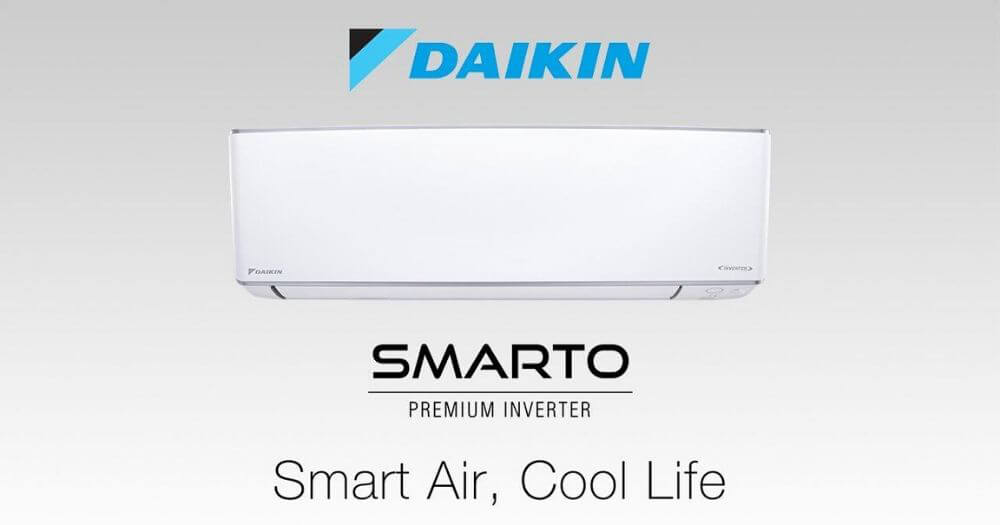
Daikin aircond models are ideal for rooms running 8+ hours nightly. Moving from FTKF to FTKB (4-star) and FTKH Smarto/FTKU Deluxe lines, Daikin offers deep service network support nationwide.
- Specs: RM1,900–RM2,400 | 1-yr parts, 5-yr compressor warranty.
- Watch Out: Higher badge premium. A 4-star Acson uses the same energy for RM300–RM500 less.
- Best For: Master bedrooms, primary living spaces, and any inverter unit you expect to keep for long-term.
Mini-takeaway: Daikin aircond wins on service depth and build quality, not on running cost, because a 5-star rating costs the same to run whoever makes it.
2. Panasonic Air Cond: Best for Families and Air Quality

Panasonic air cond units feature nanoe X technology, which active-cleans allergens and odours in closed spaces.
- Specs: RM1,850–RM2,050 (X-Deluxe) | 1-yr parts, 5-yr compressor warranty.
- Watch Out: nanoe X supplements, but does not replace, dedicated air purifiers in heavy haze or polluted environments.
- Best For: Homes with children or allergy sufferers.
Mini-takeaway: Panasonic air cond scores within 0.1 of Daikin and costs around RM200 less for the equivalent 1.5HP, which makes it the better buy for most families.
3. Haier Aircond: Best Overall Value
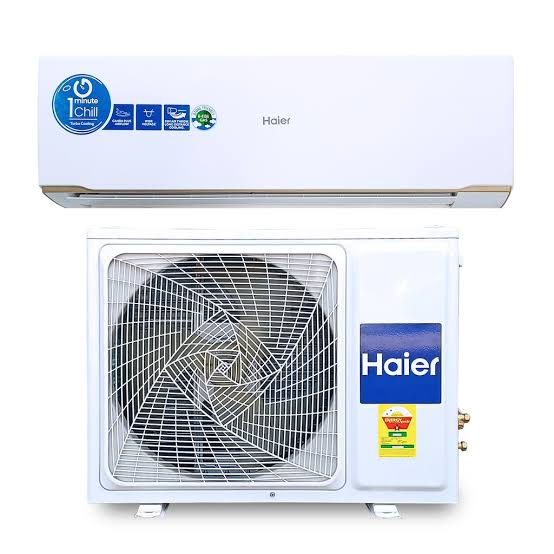
Haier aircond is the only major manufacturer placing 5-star inverter models below RM1,500.
- Specs: RM1,400–RM1,650 (1.5HP) | 3-yr unit, 10-yr compressor warranty.
- Watch Out: Service network density thins outside main cities (Klang Valley, Penang, JB). Use our TNB bill calculator to model household setup savings.
- Best For: Bedrooms and budget-conscious 5-star cooling.
Run your own numbers through our TNB bill calculator before deciding how many units to upgrade.
Mini-takeaway: a 5-star Haier aircond at RM1,450 and a 5-star Daikin aircond at RM2,300 produce the same electricity bill, which is the single most useful fact in this article.
4. Acson Aircond: Daikin Engineering at a Lower Price
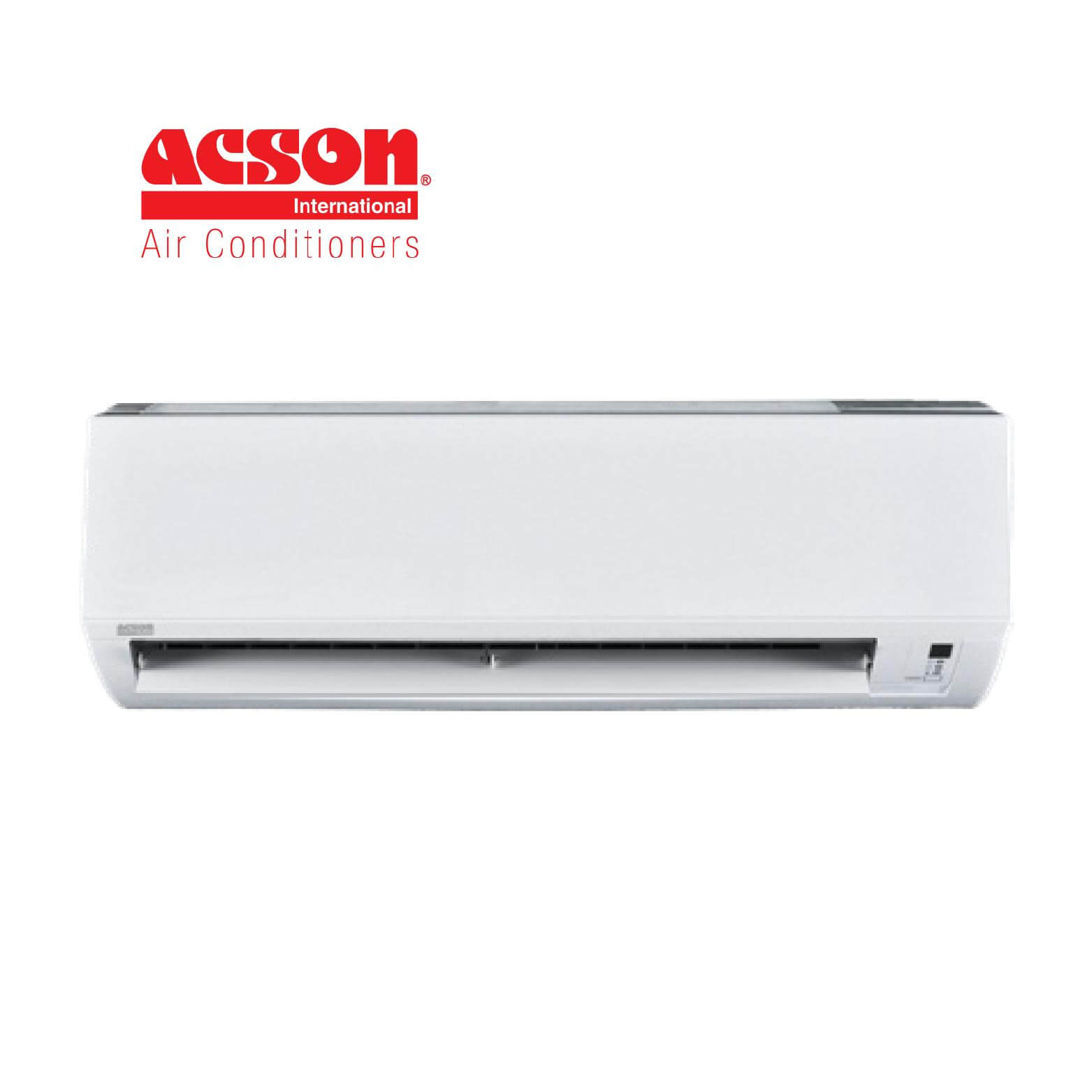
An established Malaysian brand acquired by Daikin in 2006, Acson aircond shares Daikin’s compressor tech and service setup at lower cost.
- Specs: RM1,650–RM1,950 | R32 AVO range with optional WiFi.
- Watch Out: Lower overall efficiency ceiling than Daikin (mostly 4-star ratings).
- Best For: Reliable nationwide service access without paying badge premiums.
5. LG Air Cond: Best Smart Home Control
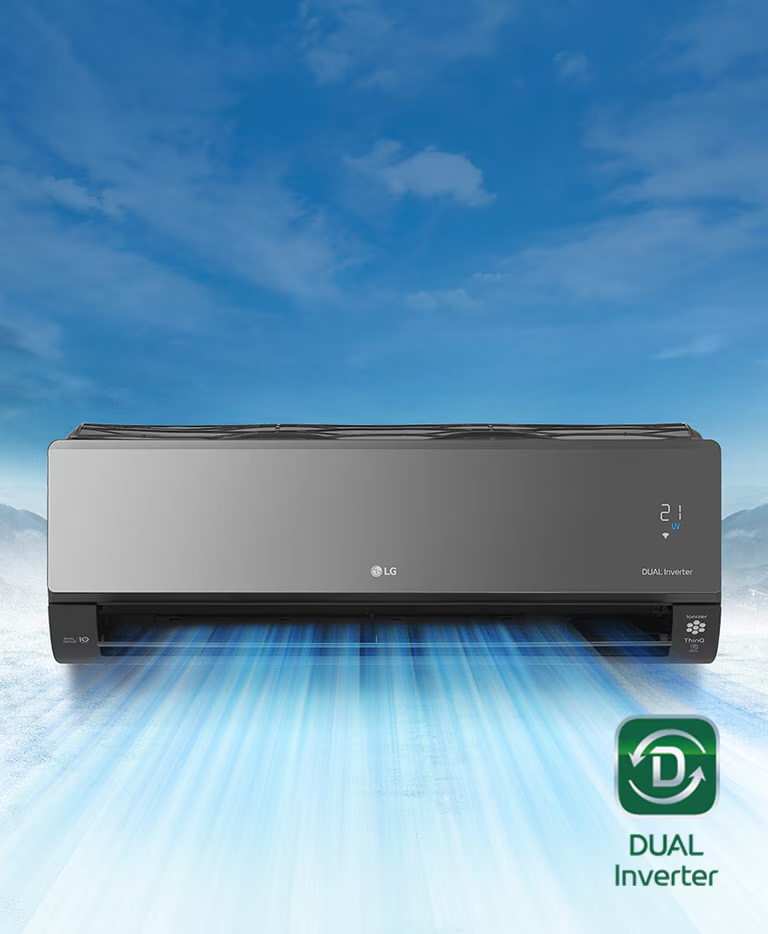
LG air cond lineups excel in automation via the ThinQ app and feature Dual Inverter rapid cooling.
- Specs: RM1,600–RM2,200 | Up to 10-yr compressor cover.
- Watch Out: Narrower dedicated AC service footprint compared to Japanese brands.
- Best For: Smart home enthusiasts wanting scheduled pre-cooling. Pair it with a TNB smart meter if you want to see what the scheduling actually saves you.
Mini-takeaway: LG's 10-year compressor cover is the strongest warranty position in the top five, but confirm parts availability in your state first.
6. Sharp Aircond: Affordable Ion Air Purification
.webp)
Sharp aircond incorporates Plasmacluster ion technology across its entire entry-to-mid J-Tech inverter lineup.
- Specs: RM1,750–RM1,900 | AIoT options up to RM2,388.
- Watch Out: Lower maximum CSPF efficiency scores across models.
- Best For: Budget air treatment in high-haze corridors.
Mini-takeaway: Sharp delivers most of Panasonic's air quality proposition for around RM200 less, at the cost of a lower efficiency ceiling.
7. Samsung: Best Design and Draught-Free Cooling
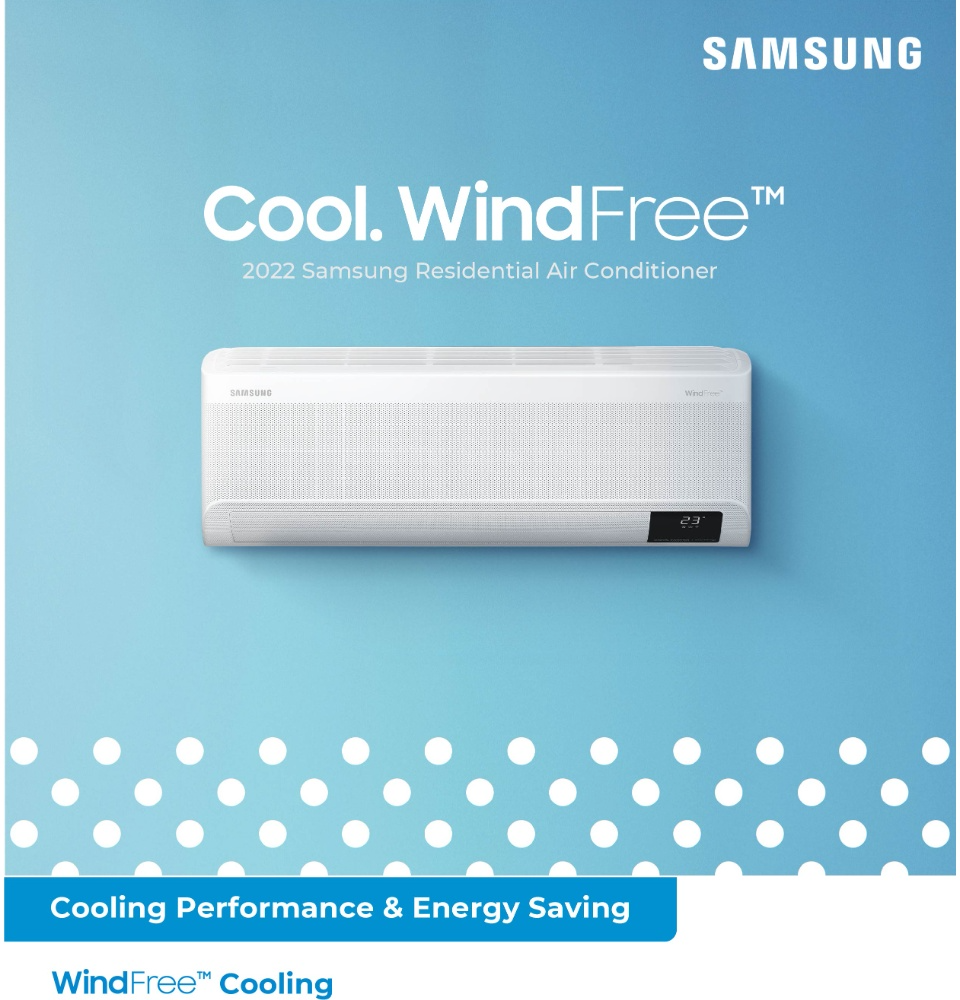
Samsung air cond utilises WindFree™ technology to disperse air through micro-holes, eliminating direct cold drafts.
- Specs: RM1,700–RM2,400 | Digital Inverter Boost with 10-yr compressor cover.
- Watch Out: Slower initial pull-down speed; requires running Fast Cooling mode first.
- Best For: Bedrooms where beds sit directly under the AC unit.
Mini-takeaway: Samsung ranks last on our weighting and still scores 7.4, because the gap between the best and worst brand on this list is much smaller than the gap between a 5-star and a 2-star model.
The 2026 MEPS & CSPF Standards Update
Suruhanjaya Tenaga raised the efficiency required to earn every star rating on a room aircond. A 5-star unit sold today has to be measurably more efficient than a 5-star unit sold in 2025.
That number is CSPF, or Cooling Seasonal Performance Factor. It measures how much cooling a unit delivers per watt of electricity across a full season, including part-load running. Higher is better.
Source: Suruhanjaya Tenaga MEPS improvement plan for room air conditioners, Phase 1 effective 1 January 2026. Applies to units rated below 4.5 kW cooling capacity, which covers 1.0HP and 1.5HP.
A 4-star unit certified in 2026 needs CSPF 5.40. A 5-star unit certified in 2025 needed only 5.30. The newer 4-star is the more efficient machine.
New models now also need a Certificate of Efficiency under the Energy Efficiency and Conservation Act with 1-star units no longer being compliant for sale.
Mini-takeaway: Check the CSPF value, not just stars. A 2026 4-star unit (CSPF 5.40) is more efficient than a 2025 5-star unit (CSPF 5.30). Standard 1-star units are no longer legal for sale.
What Does an Aircond Actually Cost to Run in Malaysia?
Since 1 July 2025, TNB charges every domestic unit at 27.03 sen for generation, 4.55 sen for capacity and 12.85 sen for network. That is 44.43 sen/kWh before adjustments. Add the monthly AFA fuel adjustment, the 1.6% KWTBB levy above 300 kWh and 8% service tax above 600 kWh, and a landed home importing more than 600 kWh a month pays close to 50 sen for every extra unit it draws.
Here is what that means for one 1.5HP inverter running 8 hours a day.
Assumptions: 1.5HP unit rated at 3.5 kW cooling, 8 hours a day, 30 days, 65% average load after pull-down, electricity at 50 sen/kWh. Annual cost calculated on total yearly kWh, not monthly cost x 12, to avoid compounding rounding. Source: GetSolar Malaysia calculation using Suruhanjaya Tenaga 2026 CSPF thresholds and the TNB domestic tariff.
Scale it to a whole landed home running three units.
Air conditioning accounts for 40% to 60% of a typical Malaysian household's electricity, and these figures show why. Three mid-range units alone push a home past the 600 kWh threshold where AFA and service tax start applying to every unit.
If you are still running non-inverter units, our breakdown of inverter versus non-inverter aircon covers the upgrade maths first.
Mini-takeaway: three 5-star airconds cost around RM1,620 a year to run. The same three at 2-star cost RM2,394. Same rooms, same comfort, RM774 difference.
Offsetting Costs with Solar Energy
While high-efficiency ACs draw less power, grid tariffs remain fixed. Rooftop solar reduces costs by:
- Direct Daytime Cooling: Running daytime units off direct rooftop generation.
- Solar ATAP Credits: Exporting surplus daytime energy to offset nighttime imports (credited at RM0.27–RM0.37/kWh).
A 5 kWp system produces roughly 550 kWh/month (more than covering three 5-star airconds). A system of this size generally costs RM3,000–RM4,000/kWp (or RM0 upfront Rent-to-Own), eligible for SuRIA Home rebates up to RM3,000. Check our full solar panel price list for complete system pricing.
Frequently Asked Questions
Which is the best aircond brand in Malaysia in 2026?
Daikin ranks highest (8.8/10) for service network depth and reliability, closely followed by Panasonic (8.7) and Haier (8.5).
Is Daikin worth the extra money over Acson?
Only if buying top-tier 5-star models. 4-star units from both brands perform identically in power draw, but Acson costs RM300–RM500 less.
Is Haier aircond good quality?
Yes. Haier provides 5-star inverters under RM1,500 backed by a 10-year compressor warranty.
What is the difference between Panasonic nanoe X and Sharp Plasmacluster?
nanoe X emits hydroxyl radicals in water, while Plasmacluster emits positive/negative ions. Sharp offers its tech across lower price points.
How much does it cost to run an aircond in Malaysia per month?
A 1.5HP 5-star inverter costs ~RM45/month (8 hrs/day). Model your consumption with our TNB bill calculator.
What star rating should I buy in 2026?
Buy 5-star for daily use, 4-star for occasional rooms. Verify the CSPF number on the yellow sticker.
Which aircond brand has the longest warranty?
Haier, LG, and Samsung offer 10-year compressor warranties on select inverters.
Does an LG or Samsung aircond use less electricity than a Daikin?
No. Units with matching CSPF ratings consume the exact same power regardless of brand.
How much does aircond installation cost in Malaysia?
Standard installation runs RM250 (1HP), RM280 (1.5HP), and RM310 (2HP) for standard copper pipe runs.
Can solar power my aircond at night?
Not directly without batteries. However, Solar ATAP credits daytime generation to offset nighttime grid charges.
Buy the Label Instead of The Badge
The seven brands on this list are separated by 1.4 points out of 10. The star ratings on their models are separated by RM258 a year, every year, for as long as you own the unit. One of those gaps is worth arguing about in a showroom. The other is worth turning the box around to read a yellow sticker.
Pick the highest CSPF you can justify on the rooms you actually cool, and let the badge sort itself out from there. Then look at the load that remains and decide whether you want to keep buying it from TNB at around 50 sen a unit for the next 25 years. A typical landed home saves RM70,000 to RM120,000 in electricity over a 25-year solar system life, roughly the price of a new family car, paid back in bills you never received.
Check out our free solar calculator to size that for your roof in under a minute or chat with the team on WhatsApp whenever you're ready.

Rent-to-Own Solar. RM0 Upfront cost. Guaranteed Savings
Immediate ROI


Rent-to-Own Solar. RM0 Upfront cost. Guaranteed Savings
(10-Year RTO plan)
+ 10-Year Free Maintenance

Be part of The Solar Collective, where we share the latest updates, tips, and discussions on solar energy.

%20Price%20per%20Sq%20Ft.webp)
%20vs%20Assessment%20Tax%20(Cukai%20Pintu)%20Key%20Differences.webp)