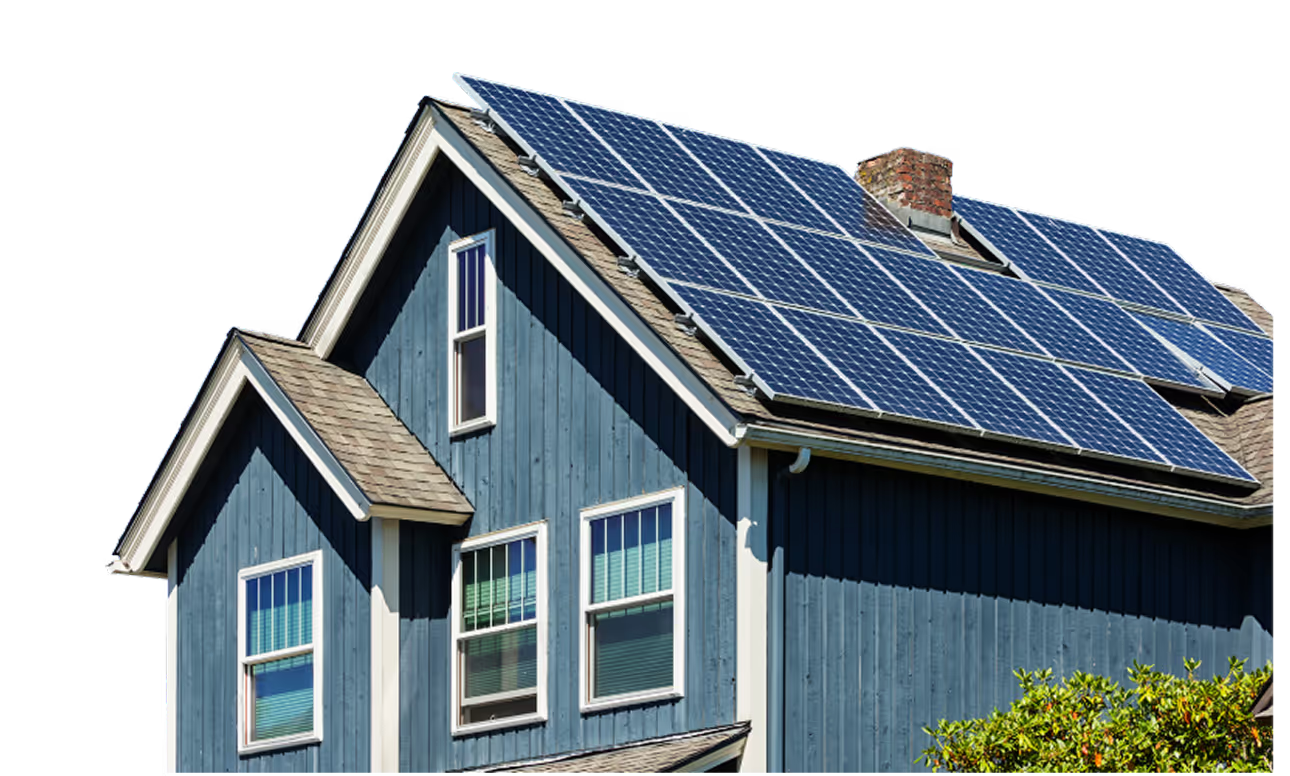
Key Takeaways:
Sungrow inverters suit most landed homes in Singapore: they carry a C5 corrosion rating for coastal air and IP65 weatherproofing, and the three-phase RT range reaches 98.5% peak efficiency. Your choice comes down to your electricity supply (single-phase SG-RS or three-phase SG-RT) and whether you want a hybrid SH model for a future battery. Before you sign, get the Singapore warranty terms in writing.
If you spot codes like SG10RS, SH5.0RS, or SG8.0RT on your solar quote, you’re likely looking at a Sungrow inverter. These codes matter because they tell you whether the inverter suits your home's electricity supply and whether it can take a battery.Sungrow is one of the two biggest names in the inverter industry. It shipped 148 GWac of the 589 GWac of inverters sold worldwide in 2024, second only to Huawei, and led the US, Indian and Middle Eastern markets.
This guide is written for Singapore landed homes. It decodes the Sungrow models you're most likely to see on a quote, explains how the home ranges differ, and covers the warranty and grid rules that apply here.
If you're new to how a home system fits together, start with how solar panels work.
What Do Sungrow Model Codes Mean?
Every Sungrow home inverter code tells you three things: the inverter type, its power in kilowatts (kW) and the grid supply it suits.
Source: Sungrow product naming across its residential SG-RS, SG-RT and SH-RS ranges.
So an SG10RT is a grid-tied string inverter rated at 10 kW for a three-phase home, and an SH5.0RS is a 5 kW hybrid inverter for a single-phase home.
Which Sungrow Inverter Models Are Used in Singapore Homes?
Here are the grid-tied Sungrow home models you're most likely to see in Singapore. Hybrid SH models are covered in the battery section below.
Sources: Sungrow's string inverter range, Sungrow's SG8.0/9.0/10RS datasheet and SG-RT datasheet, and distributor listings for the SG5.0RS, SG8.0RS and SG10RS. The SG8.0RS and SG10RS have two or three MPPT inputs depending on the regional version.
A few terms in the table are worth knowing:
- Max panel capacity is shown in kilowatt-peak (kWp). It tells you how much solar panel capacity each model can handle, so you can check the inverter suits your system size.
- MPPT stands for maximum power point tracking. Each MPPT input lets one group of panels run at its own best setting, which helps when your roof has panels facing different directions.
- Weighted efficiency averages the inverter's efficiency across different load levels. It reflects everyday output better than the peak figure alone, so it's the more useful number for comparing quotes.
GetSolar installs the SG8.0–10RS for single-phase homes and the SG5.0–20RT for three-phase homes, with larger commercial SG-CX models for bigger projects.
SG10RS vs SG10RT: Which One Do You Need?
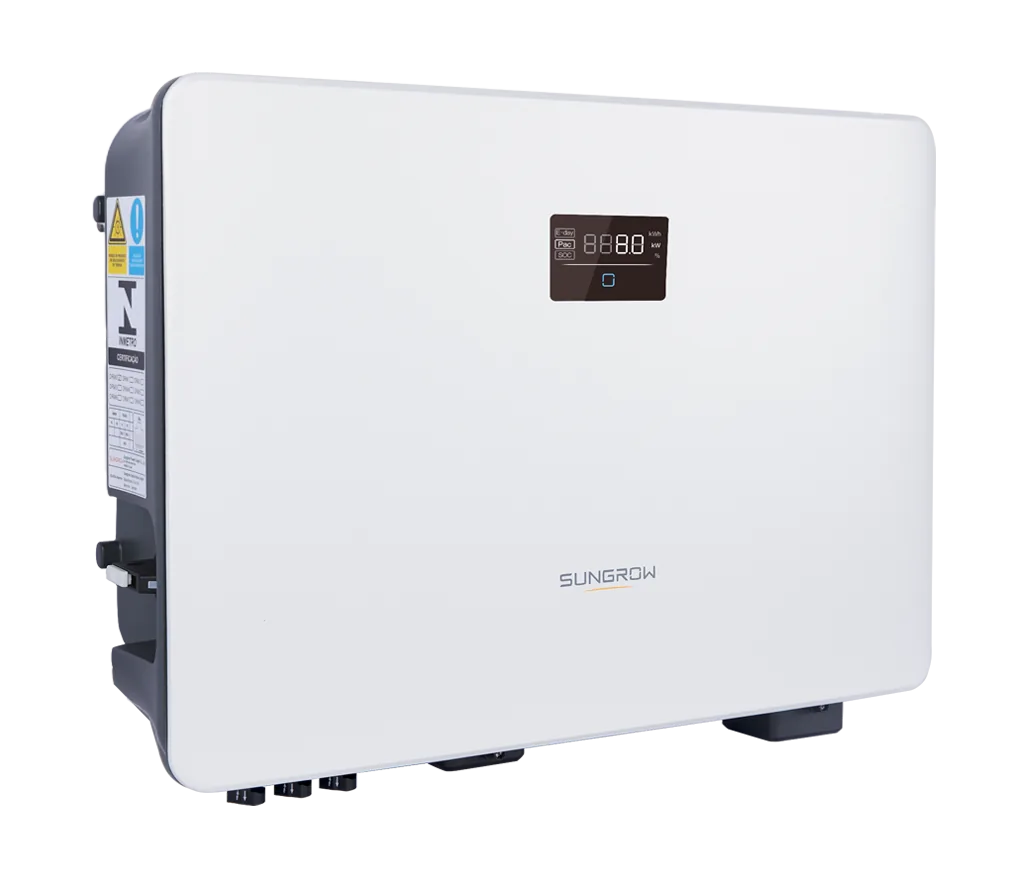
Your home's electricity supply determines this. A single-phase home needs an RS model, and a three-phase home needs an RT model. Your Licensed Electrical Worker (LEW) confirms which supply you have during the site survey.
The two ranges also differ in ways that affect your system design:
- Roof layout: the SG8.0–10RS has up to three MPPT inputs, depending on the regional version, so it can run panels on more roof faces at their own best settings. The RT range has two. Ask which version you're getting.
- Panel strings: the RT accepts up to 1,100 V of DC input against 600 V for the RS, so it can run longer strings of panels on larger roofs.
- Size range: the RS tops out at 10 kW, while the RT goes up to 20 kW for bigger homes.
- Weight: a 5 kW RS weighs around 10 kg against around 18 kg for a 5 kW RT, which affects where it can be mounted.
Can a Sungrow Inverter Take a Battery?
Only if it's an SH model. The SG models are grid-tied and have no battery input, while Sungrow's SH hybrid inverters, such as the SH5.0RS, connect to its SBR batteries.
If you think you'll want a battery within a few years, ask for an SH model now, because adding one to an SG system later means buying and installing a second inverter. If a battery isn't in your plans, the SG model is the simpler and cheaper choice.
SH models have their own datasheets, so ask your installer for the one that matches the exact model on your quote.
Can Sungrow Inverters Handle Singapore's Heat and Coastal Air?
Sungrow's home inverters are built for tropical conditions. Both the SG-RS and SG-RT ranges carry an IP65 rating, which means they're sealed against dust and protected from water jets, including heavy rain.
Both ranges also carry a C5 corrosion protection rating, designed for high-salt, high-humidity environments. That matters if you live near the coast, where sea air corrodes weaker electronics over time.
The SG-RS has an operating temperature range of up to 60°C. Like most inverters, though, it reduces its output when it gets very hot, so ask for the datasheet's derating curve for your model.
Both ranges include a PID recovery function. PID, or potential-induced degradation, is a gradual power loss that can build up in panels in hot, humid conditions, and Sungrow says its recovery function reverses it.
How Does the iSolarCloud App Work?
Sungrow systems connect to iSolarCloud, Sungrow's monitoring app, which shows your live solar output and tracks daily, monthly and lifetime generation.
The app also runs an online diagnostic test that spots an underperforming panel string. This feature lets your installer catch faults early.
Because the app connects your inverter to the internet, set it up carefully. Use your own password rather than the default, keep the firmware updated through the app, and ask your installer who holds installer-level access to your system.
What Warranty Comes With a Sungrow Inverter in Singapore?
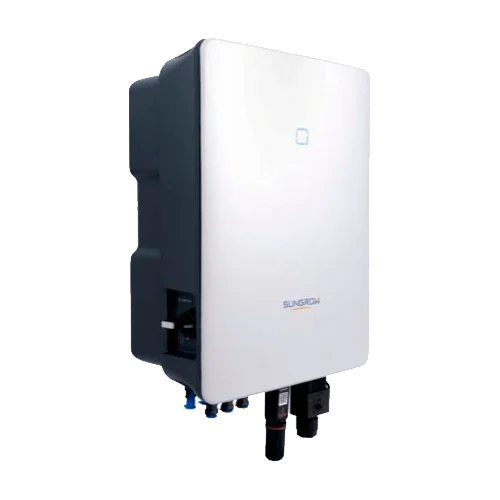
Warranty terms are set market by market, so a figure you read online for another country may not apply here. Ask your installer for the Singapore warranty document and check three things:
- Length: how long the standard warranty runs, and whether it counts from installation or manufacture.
- Coverage: whether it covers parts only, or labour and a replacement unit too.
- Claims: includes an extended 10-year product warranty on every Sungrow inverter we install.
Inverters usually need replacing once over a 25-year solar system, while panels like the AIKO Neostar 3S54 carry warranties of 25 to 30 years. Our solar maintenance and installation cost breakdown covers what replacement and upkeep cost.
Are Sungrow Inverters EMA Approved?
The Energy Market Authority (EMA) does not certify inverter brands itself, so there's no "EMA approved" label to look for. Approval happens at installation instead.
Residential solar installations don't need an EMA licence, but anLEW must sign off the installation and apply to SP Group, which operates Singapore's power grid, for the grid connection. That application includes your inverter's specifications, which SP Group checks against its power quality requirements before turning your system on.
For your own peace of mind, two international standards are worth asking about:
- IEC 62109 coversinverter safety, and Singapore has adopted it.
- IEC 62116 tests that the inverter shuts off during a grid outage, so it can't feed power into lines being repaired.
Sungrow's home ranges also include arc-fault protection and Type II surge protection on the DC and AC sides. Ask which are included on the model you're quoted.
Who Makes Sungrow Inverters?
Sungrow Power Supply is a Chinese inverter and energy storage maker founded in 1997 and headquartered in Hefei. Its products run from home inverters to utility-scale systems.
It's one of the two biggest names in the industry. It shipped 148 gigawatts (AC) of the 589 gigawatts of inverters sold worldwide in 2024, second only to Huawei, according to Wood Mackenzie. Sungrow reports it kept the top spot in S&P Global's 2025 shipment rankings, so rankings differ by source and year.
Sungrow also reports more than 520 service locations across over 100 countries and regions.
An inverter is the part most likely to need attention, so local parts and support count.
Is Sungrow Better Than Huawei?
It depends on what you value. Huawei's single-phase inverter is slightly more efficient and ready for a battery out of the box, while Sungrow's is lighter and carries a C5 corrosion rating for coastal air.
Sources: Sungrow and Huawei datasheets.
Two cautions when reading this table. The SG5.0RS is a grid-tied model, while Huawei's unit is hybrid-ready, so the closest Sungrow match for the battery row is an SH model. GetSolar's single-phase installs are also the larger SG8.0RS to SG10RS, so check the datasheet for your system size.
In practice, the 0.5-point efficiency gap is worth roughly 50 kWh a year on a system producing around 9,800 kWh, less than 1% of output. The bigger decision is whether you want battery readiness built in or a corrosion-rated unit.
GetSolar installs Sungrow, so weigh this comparison with that in mind. If battery readiness from day one matters most to you, it's worth quoting Huawei alongside Sungrow's SH range.
What Should You Check on a Sungrow Quote?
Before you sign, ask your installer these six questions:
- Is the model an SG or SH, and does that match my battery plans?
- Is it an RS or RT model, and does that match my home's supply?
- Is the inverter's max panel capacity right for my system size?
- Can you show me the IEC 62109 and IEC 62116 certificates for this model?
- How long is the Sungrow warranty in Singapore, and is an extension included?
- Who registers my system on iSolarCloud, and who keeps installer access?
GetSolar pairs Sungrow inverters with AIKO Neostar panels, backed by our 90% production guarantee. For how panel types compare, see our guide to types of solar panels.
For a deeper look at sizing, costs and savings for a landed home, see our complete guide to solar energy in Singapore.
Frequently Asked Questions
What does SG10RS mean on a Sungrow inverter?
SG means a grid-tied string inverter, 10 is its rated output in kW, and RS means it's built for a single-phase residential supply. An SG10RS is a 10 kW single-phase inverter with no battery input.
What's the difference between Sungrow RS and RT inverters?
RS models suit single-phase homes and range from 3 to 10 kW, while RT models suit three-phase homes and range from 5 to 20 kW. Your home's supply decides which one you need.
Are Sungrow inverters EMA approved?
EMA doesn't certify inverter brands itself. Sungrow inverters can be installed in Singapore homes once an LEW signs off the installation and SP Group approves the grid connection, which includes a check of the inverter's specifications.
Are Sungrow inverters good?
Largely, yes. Sungrow ranked second globally for 2024 shipments according to Wood Mackenzie, and its home models reach up to 98.5% peak efficiency with IP65 weatherproofing. Check the Singapore warranty length on your quote.
Can I add a battery to a Sungrow SG inverter?
No. SG models are grid-tied with no battery input. For a battery, you need a Sungrow SH hybrid inverter paired with Sungrow's SBR batteries.
What app do Sungrow inverters use?
Sungrow inverters use iSolarCloud, which shows live output every 10 seconds and runs remote diagnostics on your panel strings.
How long does a Sungrow inverter last?
Inverters usually need replacing once over a 25-year solar system. GetSolar includes an extended 10-year product warranty on every Sungrow inverter it installs.
Are Sungrow Inverters Worth It?
For most landed homes, yes, as long as the code on your quote matches your supply and your battery plans. Sungrow's home ranges are rated for tropical heat and coastal air, and they're backed by one of the industry's largest service networks. The main detail to confirm is the warranty length that applies in Singapore.
Check out our free solar calculator to calculate your potential roof savings, or chat with our solar advisors for a no-obligation assessment.

Rent-to-Own Solar for Business with Guaranteed Performance
Immediate ROI



Rent-to-Own Solar. $0 Upfront cost. Guaranteed Savings
(10-Year RTO plan)
+ 10-Year Free Maintenance

Be part of The Solar Collective, where we share the latest updates, tips, and discussions on solar energy.