Key Takeaways:
An MCB trips when a circuit draws too much current, protecting your wiring from overheating and fire. An RCCB, still commonly called an ELCB in Malaysia, trips when current leaks to earth, and it comes in 100mA, 30mA and 10mA ratings depending on what it protects. A safe home needs both in the DB box.
It's 9pm, the rain is heavy and the whole house goes dark. You open the DB box and find one switch has dropped. Which one it is tells you what went wrong.
If it’s an MCB, the circuit drew too much current. If it's an RCCB (also still commonly called an ELCB), electricity leaked somewhere it shouldn't.
These two devices do different jobs. MCBs protect your wiring from overheating and fire, while RCCBs protect people from electric shocks. A house can have a full row of working MCBs and still leave someone exposed if the RCCB is faulty, rated too high or missing.
This guide explains what each breaker does, which ratings Malaysian regulations require, and how to check your setup before you add a water heater, EV charger or rooftop solar.
What Is the Difference Between an ELCB, RCCB and MCB?
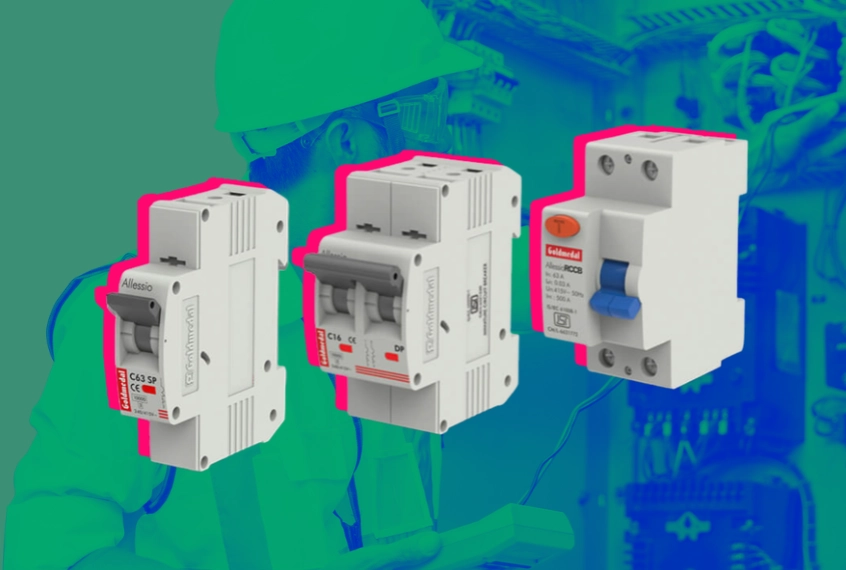
An MCB trips on overloads and short circuits, while an ELCB or RCCB trips when current leaks to earth. Most Malaysian DB boxes hold one main RCCB and a row of MCBs, one for each circuit.
Sources: Electricity Regulations 1994 (Regulation 36), Energy Commission (Suruhanjaya Tenaga), manufacturer datasheets
Neither device covers the other's job, so compliant DB boxes usually carry both types.
What Does an MCB Do in Your DB Box?
An MCB (Miniature Circuit Breaker) cuts power to a single circuit when the current exceeds its rating. A heat-sensitive strip trips it during a sustained overload, and an electromagnet trips it almost instantly during a short circuit.
Your registered electrician sizes each MCB to the cable it protects. In a typical single-phase landed home, you'll see:
- 6A to 10A: lighting circuits
- 20A: 13A socket outlets, water heaters and smaller aircon units
- 32A: heavier loads such as larger AC units, induction hobs and 7 kW EV chargers
Most home MCBs carry a B or C curve, which determines how much start-up surge they can tolerate before tripping. C-curve units can ride through the brief surge of motors such as aircon compressors and water pumps.
What an MCB can't do is react to the small amount of current that passes through a human body. The Energy Commission's electrical safety director has said that leakage above 100mA is enough to cause death, and an MCB will not notice it. Catching that leak is the RCCB's job.
What Does an RCCB Do, and Why Do Malaysians Call It an ELCB?
An RCCB (Residual Current Circuit Breaker) compares the current flowing out on the live wire with the current returning on the neutral. If the two differ by more than its rated sensitivity, for example 30mA, the missing current is leaking to earth, possibly through a person, and the RCCB cuts power in a fraction of a second.
The ELCB name is a holdover. Early Earth Leakage Circuit Breakers were voltage-operated, tripping when the earth wire's voltage rose above a set level (around 50V). They failed when the earth connection was poor, so the industry replaced them with current-sensing RCCBs. The old label stuck, and many Malaysian retailers still list RCCBs as "RCCB/ELCB".
Which RCCB Sensitivity Does Malaysian Law Require?
Regulation 36 of the Electricity Regulations 1994 caps the main RCCB at 100mA, with 30mA for circuits feeding handheld appliances and 10mA for water heaters, according to a 2013 New Straits Times report quoting the Energy Commission.
Sources: Electricity Regulations 1994, Regulation 36; Energy Commission (Suruhanjaya Tenaga)
Note that 100mA is a ceiling, not the safest setting. Because leakage above 100mA can kill, the 30mA and 10mA devices on specific circuits give a much tighter margin where you are most likely to touch something alive.
Older homes deserve a check. The Energy Commission has said main RCCBs were previously set at 500mA, which it called not safe enough to protect human life. Households that skip the 10mA water heater RCCB also risk a fine of up to RM 5,000 under Regulation 36(2).
What Are RCCB Types AC, A and B?
RCCBs also come in types, which describe what kind of leakage current they can detect.
This matters because a standard RCCB can miss DC leakage from electronics. If you are adding an EV charger or rooftop solar, ask your installer which type your circuit needs.
What Is an RCBO, and Is It Worth Getting One?
An RCBO combines an MCB and an RCCB in one module, so it protects a single circuit against overload, short circuit and leakage all at once. Homeowners often fit them on high-risk circuits like water heaters and EV chargers, because a fault there trips only that circuit instead of blacking out the whole house.
You may also see MCCBs (Moulded Case Circuit Breakers) mentioned online. They handle much higher currents in commercial and industrial boards, so you rarely find one in a home.
Why Does My RCCB or MCB Keep Tripping?
A tripping MCB points to too much current on one circuit, while a tripping RCCB points to leakage somewhere in the house. The usual causes:
- MCB trips: too many high-power appliances on one circuit, a short in a faulty appliance or cable, or an MCB sized too small for the load
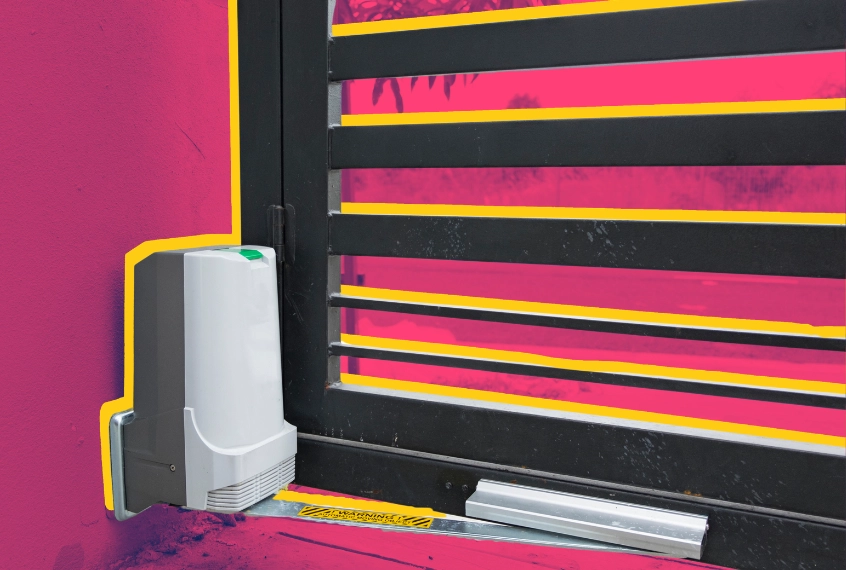
- RCCB trips after rain: moisture in outdoor sockets, garden lights or an autogate motor
- RCCB trips when one appliance runs: a failing water heater element, an ageing washing machine or damaged appliance insulation
- RCCB trips during storms: surges from nearby lightning strikes, which surge protection and a lightning arrester help contain
To find the fault, switch off every MCB, reset the RCCB, then switch the MCBs back on one at a time. The MCB that sets off the RCCB points to the faulty circuit. Unplug everything on it and repeat to narrow the fault down to one appliance.
Never tape a breaker up or bypass it, since repeated trips signal a bigger problem. Call a registered electrician, and see our guide to finding a licensed electrician for where to look.
How Do You Test Your RCCB?
You test an RCCB by pressing its built-in test button. TEEAM, the Electrical and Electronics Association of Malaysia, recommends testing monthly or at least 4 times a year. Testing cuts power to the whole house, so save your work and switch off sensitive electronics first.
- Open the DB box and find the RCCB, the wider switch with a button marked "T" or "TEST".
- Press the button with the power on. The switch should drop to OFF immediately and cut power to the house.
- Push the switch back up to restore power.
If the switch does not drop when you press the button, the RCCB has failed and is no longer protecting you. Arrange for a registered electrician to replace it right away.
Can Your DB Box Handle a Water Heater or EV Charger?
Every new high-load appliance needs its own MCB, and wet-area or outdoor equipment needs leakage protection to match. Before you install:
- Water heater: a dedicated 20A circuit with a 10mA RCCB or RCBO, as Regulation 36 requires
- EV charger: a dedicated 32A MCB for a 7 kW unit, plus leakage protection that detects DC leakage (Type A with DC detection, or Type B), because a standard RCCB can miss it. Some chargers include built-in DC fault detection, so check the spec sheet and ask your installer
- Extra aircon units: a separate MCB for each, sized to the unit's running current
Check your incoming supply too. A single-phase home has a fixed capacity, and stacking an EV charger on top of several aircons can push it to the limit. Our solar EV charging guide covers charger sizing in detail, and our guide to single-phase vs three-phase power explains what your supply can carry.
Frequently Asked Questions
Is an ELCB the same as an RCCB?
In everyday Malaysian use, yes. Technically, the original ELCB was a voltage-operated device that the current-operated RCCB replaced, but most people use both names for the same switch.
Are voltage-type ELCBs still used in Malaysia?
You may still find them in older homes, but they are obsolete. Ask a registered electrician to replace one with a current-operated RCCB.
Can I use a 30mA RCCB as my main breaker?
Yes. 30mA sits within Regulation 36's 100mA ceiling and gives more sensitive protection, though it may trip more often in homes with many appliances or older wiring.
Do I still need MCBs if I have an RCCB?
Yes. A standard RCCB does not trip on overloads or short circuits, so every circuit still needs MCB protection.
How often should I replace my RCCB?
No fixed lifespan applies, which is why the test button matters. Replace any unit that fails the test, sticks, or shows burn marks.
Know Which Switch Protects What
An MCB stops your wiring from overheating, while an RCCB stops a leak from reaching you. A safe Malaysian home needs both: a main RCCB no higher than 100mA, 10mA protection on the water heater, and a test button that still trips the switch.
Planning rooftop solar? Your installer adds a dedicated MCB and AC isolator for the solar inverter and should check your RCCB and earthing before connecting to your DB box. Add that to your questions to ask before signing a solar quote.
When you're ready, try our solar calculator or chat with the team on WhatsApp.

Rent-to-Own Solar. RM0 Upfront cost. Guaranteed Savings
Immediate ROI



Rent-to-Own Solar. RM0 Upfront cost. Guaranteed Savings
(10-Year RTO plan)
+ 10-Year Free Maintenance

Be part of The Solar Collective, where we share the latest updates, tips, and discussions on solar energy.