Key Takeaways:
Solar panels don't cause roof leaks on their own. Leaks come from badly sealed mounting points, tiles cracked by installers walking on the roof, or an existing leak now hidden under the panels. With Peninsular Malaysia averaging around 2,400 mm of rain a year, the installer's mounting method and written workmanship warranty matter far more than the panel brand.
A water stain appears on your ceiling a few weeks after the solar panels go up, and the obvious suspect is sitting right on your roof. Sometimes the installation is to blame. Often, it isn't.
Malaysian roofs take a beating. Peninsular Malaysia averages around 2,400 mm of rain a year, and the Northeast Monsoon brings continuous heavy rain from November to March, according to MetMalaysia. Any weak point on a roof gets tested fast, with or without panels on it.
Below, you'll find where leaks actually start after a solar installation, how installers mount panels on different Malaysian roofs, and what to check before and after the work.
Do Solar Panels Actually Cause Roof Leaks?
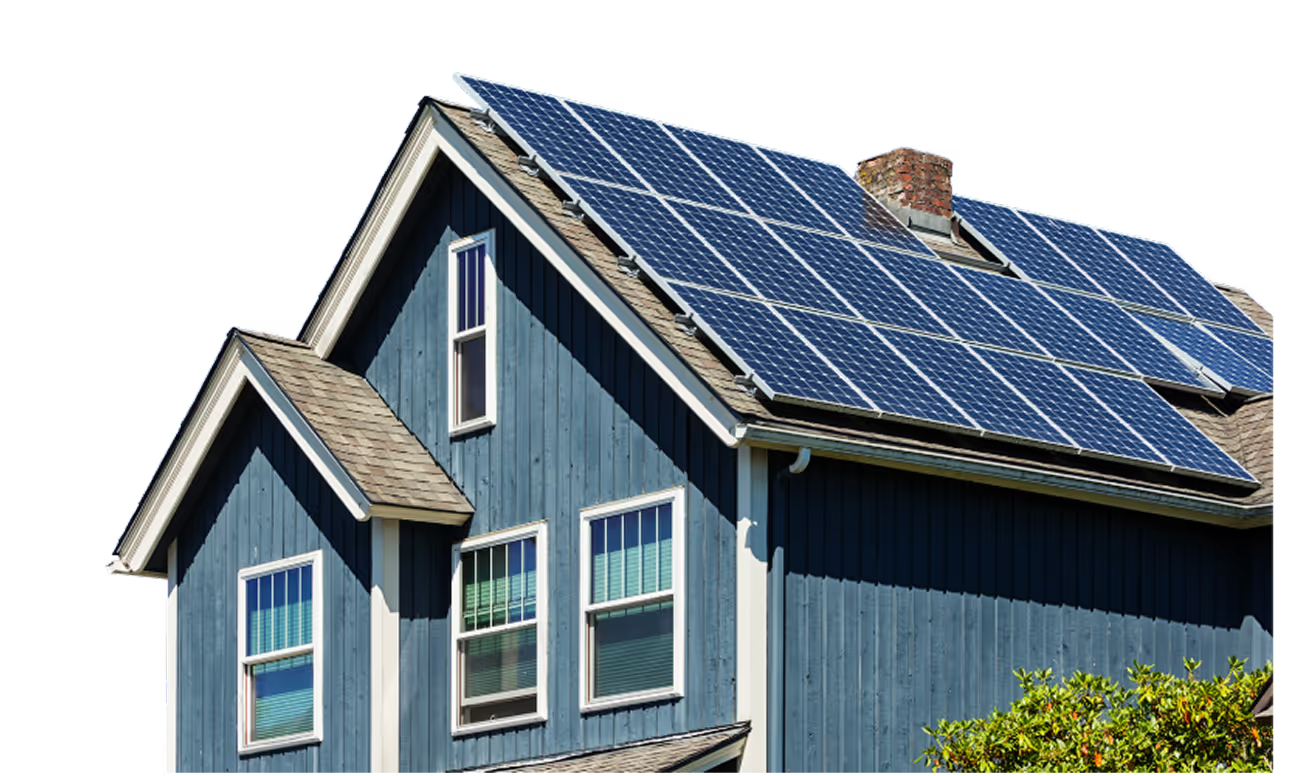
No. A properly installed solar system doesn't create a path for water into your home; leaks come from how the system is fixed to the roof, not from the panels themselves. Every mounting method either fixes into the roof structure or clamps onto the roof covering, and water only gets in where that job is done badly.
The panels themselves can even help. They shade the tiles beneath them from direct sun and the heaviest rain, so the covering under the array often ages more slowly than the exposed parts of the roof.
Where Do Leaks Start After a Solar Installation?
Most solar-related leaks trace back to 5 points, and every one of them is a workmanship issue an installer can prevent:
Common failure points on residential installations. Mounting details vary by roof type and installer.
The last row catches many homeowners out. If a leak shows up soon after installation, it may have been there all along. Our guide to whether your roof is ready for solar covers the warning signs to look for first.
How Are Panels Mounted on Malaysian Roofs?
The mounting method depends on your roof material, and the right method avoids drilling through the waterproof layer wherever possible:
Typical residential mounting methods. Your installer should confirm the method for your roof at the site survey.
Older homes with asbestos cement roofs need extra care, because the sheets are brittle and unsafe to walk on. Weight is rarely the problem on a sound roof, as our guide to whether solar panels are too heavy for your roof explains, but the condition of the tiles and battens matters.
Will Solar Affect Your Roof Warranty?
It can, so check before work starts. If your roof is still under a roofing contractor's warranty, drilling or lifting tiles may affect it, so ask the roofer in writing whether a solar installation voids their cover.
Your solar installer should also give you a written workmanship warranty that covers leaks at the mounting points, separate from the panel and inverter warranties. Ask how long it lasts and who you call if water gets in. Our installer checklist lists the other terms worth getting in writing.
What Should You Check Before and After Installation?
A few checks before and after the job prevent most leak problems, or at least prove who's responsible if one appears.
Before installation:
- Fix existing leaks first: repair stains and cracked tiles before the panels cover them. Our guide to waterproofing costs in Malaysia gives typical prices.
- Photograph your roof and ceilings: dated photos settle any later dispute about whether a leak is new.
- Ask how the panels will be fixed: hooks, clamps or screws through the roof, and how each fixing is sealed.
- Get the workmanship warranty in writing: including how roof leaks are handled.
After installation:
- Check your ceilings after the first heavy rain: look for fresh stains under the array.
- Look in the roof space if you can: damp patches or drips near the rafters show up there first.
- Report problems early: a small leak at a fixing point is a quick reseal; a leak left for months can damage battens and ceiling boards.
If you need roof repairs before going solar, our list of top roofing contractors in Malaysia is a good starting point.
For a deeper look at preparing your home, see our roof suitability checklist for solar in Malaysia.
Leaks Come From Poor Workmanship, Not Panels
Solar panels don't make a roof leak; badly sealed fixings, cracked tiles and old leaks hidden under the array do. Fix the roof first, ask how every fixing will be sealed, and get the workmanship warranty in writing.
With GetSolar's Rent-to-Own plan, you start at RM 0 upfront and your system is maintained and repaired throughout the contract, as our RTO warranty guide explains.
Check out our solar calculator or chat with the team on WhatsApp whenever you're ready.

Rent-to-Own Solar. RM0 Upfront cost. Guaranteed Savings
Immediate ROI



Rent-to-Own Solar. RM0 Upfront cost. Guaranteed Savings
(10-Year RTO plan)
+ 10-Year Free Maintenance

Be part of The Solar Collective, where we share the latest updates, tips, and discussions on solar energy.