.webp)
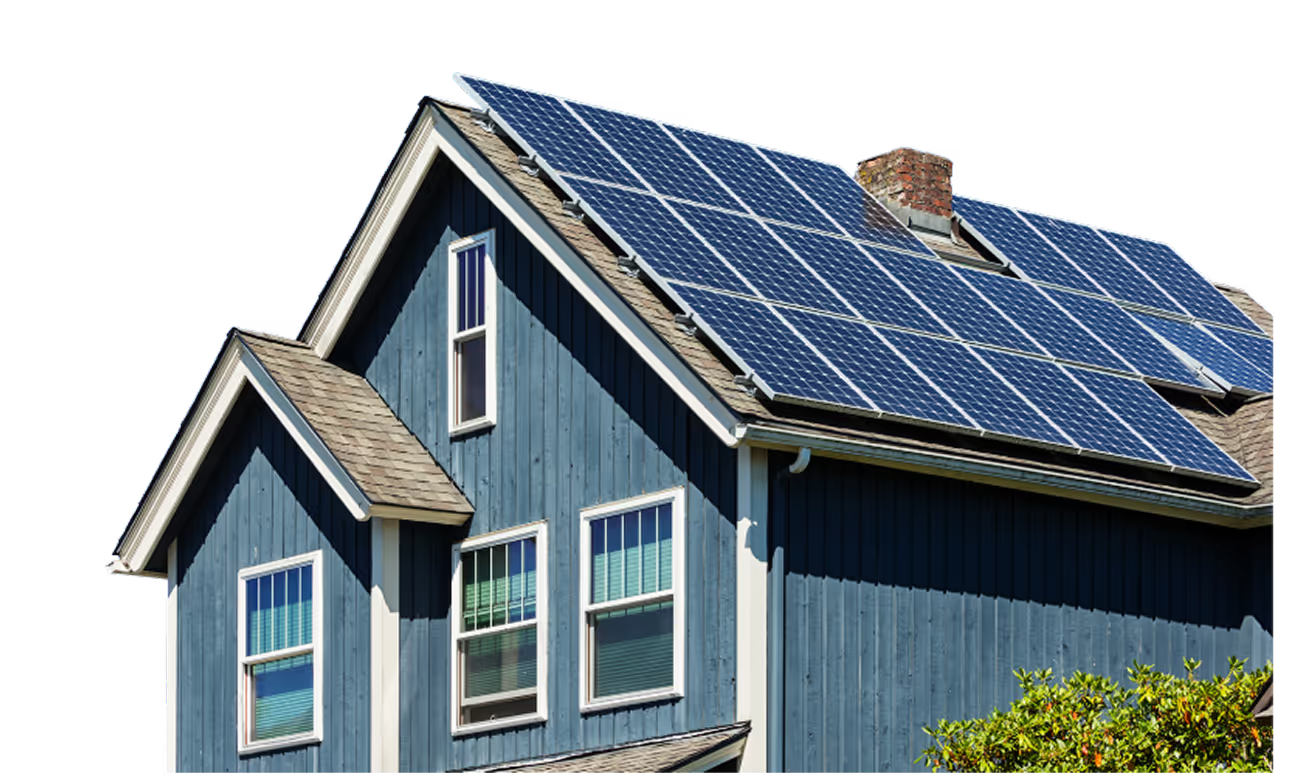
In December 2025, a residence in Seremban suffered a structural collapse, sparking intense debate on social media. Many speculated that the weight of the home's solar panels was to blame. According to the homeowner, the solar panels had been installed four years earlier, while major renovations took place seven years ago, suggesting the collapse was unlikely caused by recent work.
.webp)
Although the official investigation is still ongoing, the incident reignited a common fear among homeowners:
Are solar panels simply too heavy for our roofs?
The Short Answer:
For most Malaysian homes, no. When installed correctly on a structurally sound roof, solar panels add less weight than many common roofing materials. The real risks usually stem from hidden structural damage, poor installation practices, or neglected maintenance, not the panels themselves.
How Heavy Are Solar Panels?
To understand the risk, we first have to look at the numbers. A standard residential solar panel weighs approximately 18kg to 22kg. When you factor in the mounting racks and hardware, a typical solar array adds an additional 10kg to 15kg per square meter.
In engineering terms, this is known as a “Dead Load”.
Most modern roofs are built to withstand a dead load far exceeding the weight of solar panels. In fact, in many regions, building codes require roofs to support "Live Loads" (temporary weight like heavy snow or workers walking on the roof) that are often 3 to 4 times heavier than a solar array.
When Does the Risk Increase?
While the panels themselves are unlikely to cause your roof to collapse, certain conditions can make a roof vulnerable:
- Existing Structural Damage: If a roof has underlying issues (such as termite damage, wood rot from previous leaks), the addition of any weight can exacerbate the problem.
- Old Age: Roofs that are 20 to 30 years old may have weakened over time. If a roof is nearing the end of its lifespan, it is always recommended to replace the shingles or reinforce the structure before the panels go up.
- Improper Mounting: If an installer secures the mounting racks to the roof's "sheathing" (the thin plywood) instead of the rafters or trusses (the structural skeleton), the panels can pull away or cause the roof deck to sag.
The "Wind Sail" Effect
Wind is as big of a threat as the weight of the panels themselves. If panels are not installed with the correct tilt and spacing, they can act as a sail.
During a storm, high winds can create uplift force which pulls the panels (and the roof they are attached to) upward. Professional installers use specific wind-load calculations to ensure the array stays grounded.
How to Ensure Your Roof is Safe With Solar Panels?
To put your mind at ease, reputable solar companies must follow these strict protocols before they begin installation:
- Structural Audit: A professional engineer or surveyor should inspect your attic or crawlspace to check the health of your trusses.
- Load Calculations: They calculate the total weight of the system against your roof’s specific load-bearing capacity.
- Waterproofing: Installers use "flashing" to ensure that the holes drilled for the mounts don't lead to leaks, which would eventually rot the wood and weaken the roof.
So Are Solar Panels Safe For Your Roof?
If your home is structurally sound and you hire a certified professional, the risk of structural failure is extremely low. If anything, solar panels actually protect your roof from UV degradation and weather.
Maintenance Is Key
Solar panels are low-maintenance, but they aren't "no-maintenance." The risk to a roof often isn't the weight of the panels, but what happens under them.
- Leaves and twigs can get trapped between the panels and the roof, holding moisture against the shingles.
- Birds and squirrels occasionally find the gap under solar panels to be a cozy penthouse. Their nesting materials and acidic waste can degrade roofing materials over time.
A quick annual inspection to ensure the drainage paths are clear and the mounting bolts remain tight is usually all it takes to keep the structural integrity intact for decades.
Cleaning your solar panels also goes a long way in ensuring their performance and longevity. In this guide, we explain why regular cleaning and maintenance are just as important as checking the structural integrity beneath your system.
Revisiting the Roof Collapse Incident
While the investigation into the Seremban residence continues, the timeline provided by the owner (seven-year-old major renovation and four-year-old panels) points toward a more complex structural narrative. In many cases of sudden collapse, the culprit isn't the most visible addition (the panels), but rather a combination of factors:
- Undetected Termite Infestation: A common silent killer of Malaysian roof trusses.
- Structural Fatigue: Resulting from the previous major renovations if load-bearing walls were altered.
- Environmental Stress: Record-breaking rainfall or localised wind microbursts that exceed the original design limits.
It is human nature to blame the heaviest-looking object on a roof, but engineering usually tells a more nuanced story of gradual wear or hidden flaws.
The Final Verdict
Are solar panels as dangerous to roofs as social media makes them out to be? In short: No.
When installed correctly on a healthy structure, solar panels are no more dangerous to your home than a heavy layer of clay tiles or a large water tank.
They are a proven, safe technology that contributes to both your savings and the planet. The Seremban incident serves as a sobering reminder not of the "danger of solar," but of the importance of home maintenance. If you are considering going green, don't just look at the efficiency of solar panels themselves. Take a good, long look at the timber and steel holding it up.
Wondering how much solar actually costs in maintenance over time? We’ve covered solar panel maintenance costs in Malaysia in this detailed guide.
Not Sure If Your Roof Is Solar-Ready? Let’s Check Together.
Go solar with confidence!
Every GetSolar installation starts with a proper structural assessment. Before anything goes on your roof, our team will evaluate load, wind forces, and long-term safety.
With RM 0 upfront packages and a 10-year warranty and maintenance-inclusive plan, you can make the switch to solar without compromising your home’s safety.
Chat with us on WhatsApp or get your free solar quote today!

Rent-to-Own Solar. RM0 Upfront cost. Guaranteed Savings
Immediate ROI


Rent-to-Own Solar. RM0 Upfront cost. Guaranteed Savings
(10-Year RTO plan)
+ 10-Year Free Maintenance

Be part of The Solar Collective, where we share the latest updates, tips, and discussions on solar energy.


.png)