Key Takeaway:
Solar panels are fixtures — they stay with the house when you sell. Whether that's simple or complicated depends entirely on how you financed them. If your system was financed or leased, you'll need to settle or reassign that arrangement before the deal closes. Either way, a well-documented solar system is a genuine selling point and increases your overall property value.
Selling your property in Malaysia but wondering what happens to your solar panels? With hundreds of thousands of rooftop solar systems now installed nationwide, this is one of the most common questions we hear from homeowners.
The short answer is: your solar panels will almost always stay with the house as part of the sale. But how the transfer works, and whether it helps or hurts your resale value, depends entirely on how your system was financed.
Do Solar Panels Stay With the House When You Sell in Malaysia?
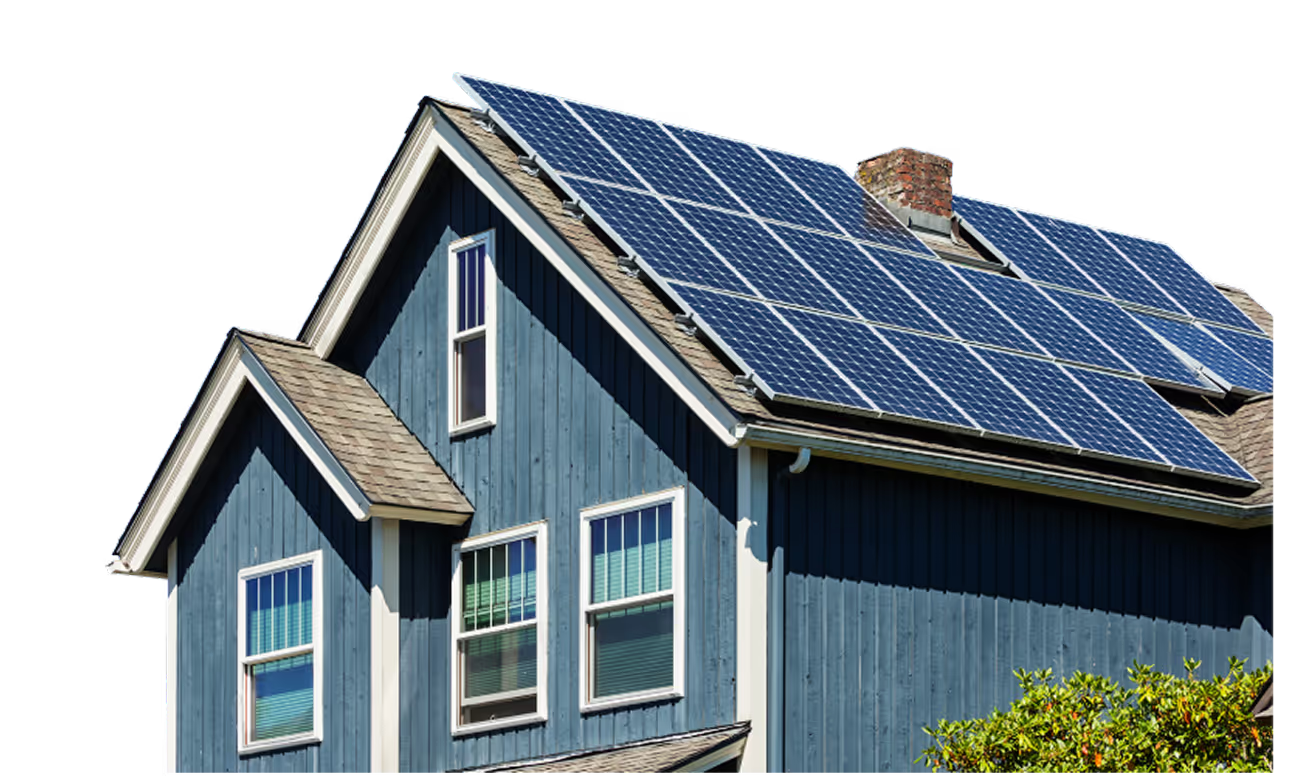
In Malaysia (and virtually everywhere else), solar panels are classified as fixtures, since they are permanently attached to your roof and are legally part of the property. When you sell your home, the solar system goes with it unless you explicitly negotiate otherwise in the sale and purchase agreement (SPA).
Removing them is technically possible, but it's messy, risks roof damage, voids most warranties, and significantly reduces your home's appeal on the market. In most cases, leaving them behind and factoring them into your asking price is the smarter move.
Do You Own Your System or Is It Financed?
How you paid for your solar panels determines everything.
1. Outright Purchase (Cash or Personal Loan)
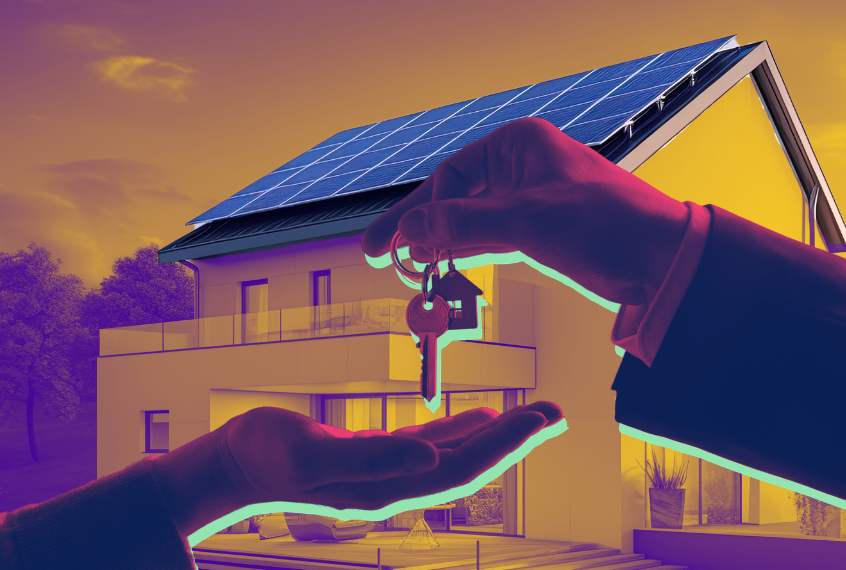
If you bought your solar system outright, it's your asset, and it transfers to the buyer as part of the property. Include it in the SPA, hand over all documentation, and you're done. Buyers love this since they get to inherit years of savings with zero financial commitment.
What to prepare:
- Installation contract and warranty documents
- System performance records (monthly generation data from your inverter app)
- TNB interconnection approval letter (if under NEM)
- Maintenance history
2. Under a Solar Financing Plan
Many Malaysians installed solar under zero upfront cost models — where a third-party company owns the system and charges you a monthly fee. If you're unsure what the different financing options are, check out our dedicated article comparing them.
Here's where it gets more nuanced:
- If the loan is secured against your property, it must be settled before the property can be transferred. Your solicitor will flag this during the conveyancing process.
- If the loan is unsecured (a personal loan, for example), you can still sell the house — but you remain personally responsible for repaying the outstanding balance.
- If it's a lease or IPP arrangement, the new owner may be able to take over the agreement (subject to credit checks and the solar company's approval). We have a full explainer on how rent-to-own solar works in Malaysia if you need to walk your buyer through it.
Disclose everything upfront. Buyers and their banks will discover any financial encumbrances during the due diligence process. Transparency avoids delays and failed deals.
What Happens to Your NEM Credits When You Sell?
Under Malaysia's Net Energy Metering (NEM) programme, excess solar energy exported to TNB earned you bill credits. NEM 3.0 closed to new applications on 30 June 2025, but existing participants retain their credits for 10 years from their commissioning date.
When you sell the house, those NEM credits and the NEM agreement do not automatically transfer. You'll need to:
- Notify TNB of the change of ownership
- Work with your solar installer to facilitate the transfer with Suruhanjaya Tenaga
- Ensure the buyer re-registers the NEM agreement in their name
Allow approximately 4-6 weeks for this process, and initiate it as early as possible once a buyer is confirmed. Any accumulated credits in your TNB account at the point of sale are typically treated as part of negotiation, discuss this will your property lawyer and your solar provider.
If your system is under SELCO (Self-Consumption): There are no export credits to worry about. The new owner simply inherits a system that reduces their TNB bill. The TNB account, however, still needs to be updated to reflect the new owner.
A Note on Solar ATAP (2026 Onwards)
Malaysia's new Solar ATAP (Accelerated Transition Action Programme) scheme opened for applications in January 2026, replacing NEM as the primary rooftop solar incentive for new residential installations. If your home was installed under Solar ATAP, the same general principles apply: the system stays with the property, and the new owner will need to be registered under the scheme.
As Solar ATAP details continue to evolve, always check with your solar installer and Suruhanjaya Tenaga for the latest transfer procedures.
Do Solar Panels Add Value to Your Home?
Generally, yes, but it depends on buyer awareness, system age, and ownership status.
In Malaysia's current market, a well-maintained, fully owned solar system adds genuine appeal, especially as TNB electricity tariffs continue to rise and buyer awareness of solar grows.
Key factors that affect how much value your system adds:
- Ownership status: Owned systems add clear value. Leased or third-party-owned systems can complicate things and may not add measurable value to the sale price.
- System age and condition: A newer, well-maintained system with remaining warranty coverage is more attractive. Most quality panels carry 25-year performance warranties that can be transferred over to the new owner.
- Remaining NEM tenure: A system with 8 years of NEM credits remaining is more valuable than one with 2 years left.
- Documentation: Buyers who can see clear records of monthly generation output, maintenance history, and warranties feel far more confident.
Step-by-Step: What to Do Before You List Your Home
1. Confirm your system's ownership status: Pull out your original installation contract. Are you the outright owner, or is there an ongoing financing or lease arrangement?
2. Gather all system documentation: Collect your installation contract, warranty certificates, SEDA/Energy Commission approval documents, TNB interconnection letter, and any maintenance records.
3. Contact your solar installer: Inform them of your intention to sell. A reputable installer will guide you through the transfer process and can provide a system health check to present to buyers.
4. Get a system inspection: A pre-sale inspection gives buyers confidence and lets you address any issues before they become negotiating points. This takes 1–2 hours and covers the panels, inverter, wiring, and mounting structure.
5. Disclose everything in the SPA: Work with your property lawyer to ensure the solar system, its ownership status, and any financial encumbrances are clearly stated in the sale and purchase agreement.
6. Notify TNB after completion: Once the sale is finalised, both seller and buyer should notify TNB to update the account and, if applicable, transfer the NEM or SELCO registration to the new owner.
Can You Take Your Solar Panels With You?
Yes, but it’s rarely worth it.
- Your system was designed specifically for your current roof's orientation, size, and your historical electricity usage.
- Removal risks damage to your roof.
- Most warranties are voided by reinstallation on a different property.
- Potential buyers will expect the panels they see to stay, and removing them can reduce your asking price significantly.
The exception might be a portable battery system or a very new inverter. But the panels themselves? Leave them behind and price your home accordingly.
Summary: What You Need to Know
Ready to Sell? Here's the Bottom Line
Selling a solar-equipped home in Malaysia can be a straightforward transaction with the right preparation. Know your ownership status, gather your documents early, disclose everything clearly, and work with both your solar provider and your property lawyer to ensure a smooth handover.
Done right, your solar system is a genuine selling point. It’s a tangible, money-saving asset that sets your property apart in an increasingly energy-conscious market.
If you’re thinking about going solar before your next move, or want to understand how a system affects your property's value, get a free solar consultation with our team or chat with us on WhatsApp for further details.

Rent-to-Own Solar. RM0 Upfront cost. Guaranteed Savings
Immediate ROI



Rent-to-Own Solar. RM0 Upfront cost. Guaranteed Savings
(10-Year RTO plan)
+ 10-Year Free Maintenance

Be part of The Solar Collective, where we share the latest updates, tips, and discussions on solar energy.

%20Price%20per%20Sq%20Ft.webp)
%20vs%20Assessment%20Tax%20(Cukai%20Pintu)%20Key%20Differences.webp)