Key Takeaways:
A day of festive hosting at a landed home can add around 23 kWh to your electricity use, roughly $7, mostly from the aircon and the oven. Across Christmas, Chinese New Year and Hari Raya, 10 hosting days add roughly 230 kWh, or $72, spread over three different bills. A warmer aircon setting, batched baking and lights on timers help keep it down.
What do a Christmas lunch, Chinese New Year reunion dinner, and Hari Raya open house all have in common? Whoever hosts runs the aircon harder, the oven longer and the lights later, and the electricity bill follows.
This festive season, Christmas falls on 25 December, Chinese New Year on 6 and 7 February, and Hari Raya on 10 March. That's three celebrations across three different bills: December, February and March.
Here’s what a hosting day actually adds to your usage, and a few easy ways to keep it down without turning off the aircon on your guests.
How Much Does Festive Hosting Add to Your Electricity Bill?
A full day of hosting in a landed home adds an estimated 23 kWh to your usage. At SP Group's current tarrif, that's roughly $7. The aircon and kitchen appliances account for most of it. Here’s what a typical hosting day looks like on your meter:
| Activity | Assumption | Extra kWh | Extra cost |
|---|---|---|---|
| Living room aircon for guests | 1.5 kW for 6 extra hours | 9.0 | $2.80 |
| Oven baking or roasting | 2.5 kW for 3 hours | 7.5 | $2.34 |
| Induction hob, rice cooker or steamboat | 2 kW for 2 hours | 4.0 | $1.25 |
| Second fridge or drinks chiller | About 1.5 kWh a day | 1.5 | $0.47 |
| Festive lights | 200W for 6 hours | 1.2 | $0.37 |
| Total | 23.2 | $7.23 |
Illustrative figures for a landed home. Costs use SP Group's household tariff of 31.16 cents/kWh with GST for October to December 2026. Ovens cycle on and off with the thermostat, so the oven row is likely on the high side.
One day looks harmless enough. Over a whole season, assume roughly 3 to 4 hosting days per festival, or 10 days in total. That adds about 232 kWh, or $72, but it's spread across the December, February and March bills rather than landing on one.
To see where that appears on your statement, our guide to reading your electricity bill line by line breaks it down.
Where Does the Extra Power Go in Each Celebration?
How much each celebration adds depends on how your family celebrates. These are the usual patterns:
- Christmas: The oven works hardest, with roastsand baking over several days, while lights run every night through New Year.
- Chinese New Year: Steamboat reunion dinners and back-to-back visiting days keep the living room aircon running from morning to late evening.
- Hari Raya: Open houses run all day, often with guests coming and going for a whole weekend, plus long cooking sessions beforehand on electric hobs.
Timing matters too. Chinese New Year and Hari Raya both fall in the January to March quarter, and SP Group has said that tariffs could rise next quarter as global fuel prices climb. If that happens, the same hosting day would cost a little more.
How Can You Keep the Festive Spike Down?
A few small habits help trim the extra usage:
- Set the aircon to 25°C and pair it with fans: A packed room naturally feels warmer, and circulating air keeps everyone comfortable without making your compressor to work overtime.
- Clean the aircon filters before guests arrive: Dusty filters restrict airflow, so your unit runs longer to deliver the same cooling.
- Batch your baking: Bake multiple trays in one continuous session instead of heating up the oven from scratch every single day.
- Put festive lights on a timer: Set them to shut off automatically at midnight rather than glowing till dawn.
- Unplug the second fridge after the party: A half-empty drinks chiller running for weeks after everyone goes home quietly adds up.
For year-round habits, our 12 practical tips to save electricity in Singapore go further.
Where Does Solar Fit In?
The festive spike is modest, and it’s not a reason to change how you host. But if your home welcomes the family every year, it’s worth knowing how solar works alongside gatherings.
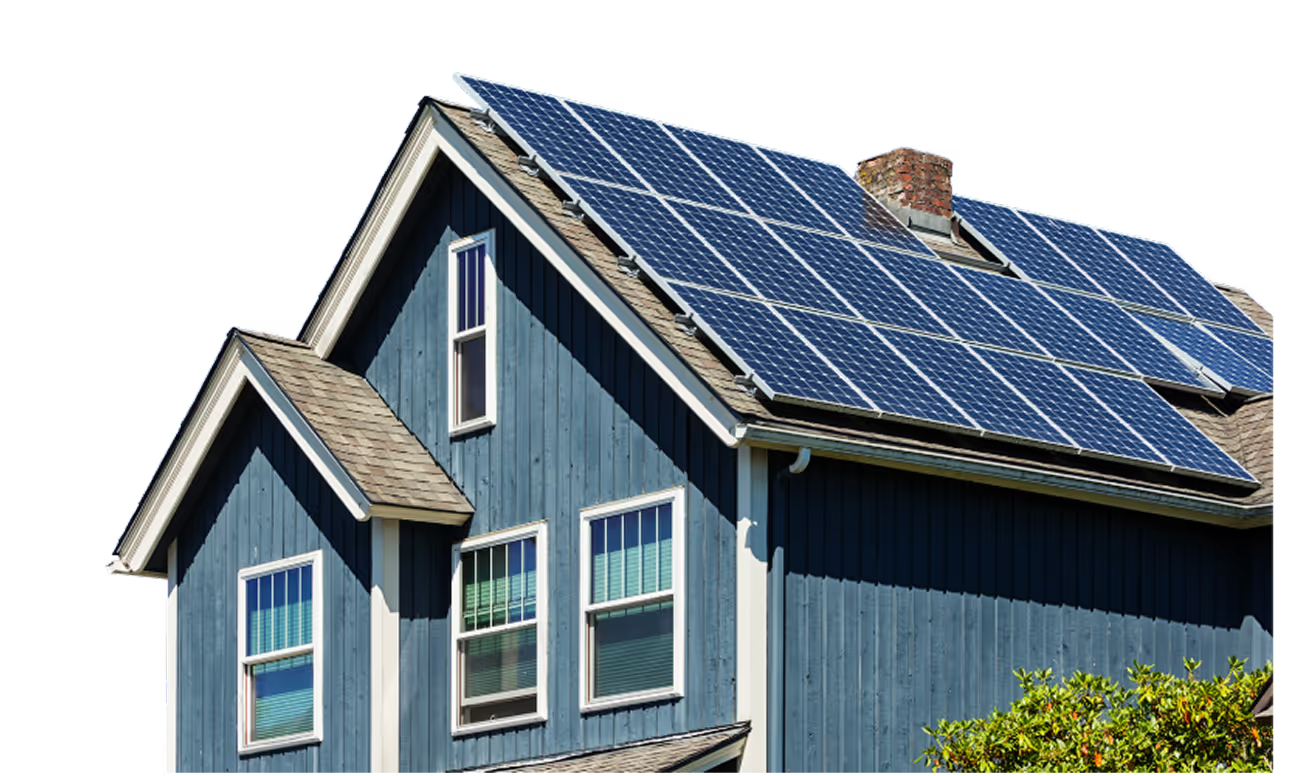
Lunches and afternoon visits often overlap with the sunniest hours of the day, when rooftop panels generate the most power. A solar-equipped home can use that power directly while the aircon and oven are running, instead of drawing it all from the grid. Excess power you export can also earn credits on your bill, as explained in our guide to net metering in Singapore. Actual savings depend on your roof, usage and system size, and our solar payback guide shows how to estimate yours.
For a deeper look at what a system costs for your home, see our 2026 guide to solar panel systems in Singapore.
Celebrate With Peace of Mind
A day of festive hosting adds roughly 23 kWh, or about $7. Across Christmas, Chinese New Year and Hari Raya, that comes to around $72 over three bills. Small tweaks like nudging the aircon up, batching your baking and putting festive lights on timers help keep it in check.
If your home hosts the family every year, you might also be curious about solar. GetSolar’s Rent-to-Own plan lets you start at $0 upfront, with maintenance and a 90% performance guarantee included.
You can try our free solar calculator to estimate your potential roof savings, or chat with our solar advisors for a no-obligation assessment.

Rent-to-Own Solar for Business with Guaranteed Performance
Immediate ROI



Rent-to-Own Solar. $0 Upfront cost. Guaranteed Savings
(10-Year RTO plan)
+ 10-Year Free Maintenance

Be part of The Solar Collective, where we share the latest updates, tips, and discussions on solar energy.