Key takeaways:
A home EV charger in Singapore costs $1,500 to $2,500 for a standard 7 kW wallbox, or up to $4,500 for a smart solar-ready model, fully installed. Charging from the grid at SP Group's tariff of 31.16¢/kWh (October to December 2026) costs around $93 a month for typical usage; solar-powered charging cuts that to about $24.
You bought an EV to escape rising petrol prices. But when your first electricity bill arrives, the savings look smaller than what the dealer promised.
Electric vehicle adoption in Singapore keeps climbing, and public charging infrastructure hasn't caught up. If you're a landed homeowner, installing a home EV charger solves that problem, but where and how you charge changes your running costs dramatically. This guide covers what a home EV charger costs in Singapore, how to install one step by step, which chargers to consider, and how solar changes the economics.
We spoke to Paul Welsford, Vice-President of the Electric Vehicles Association of Singapore, to find out more about EV charging in Singapore.
How EV Home Charging Works in Singapore
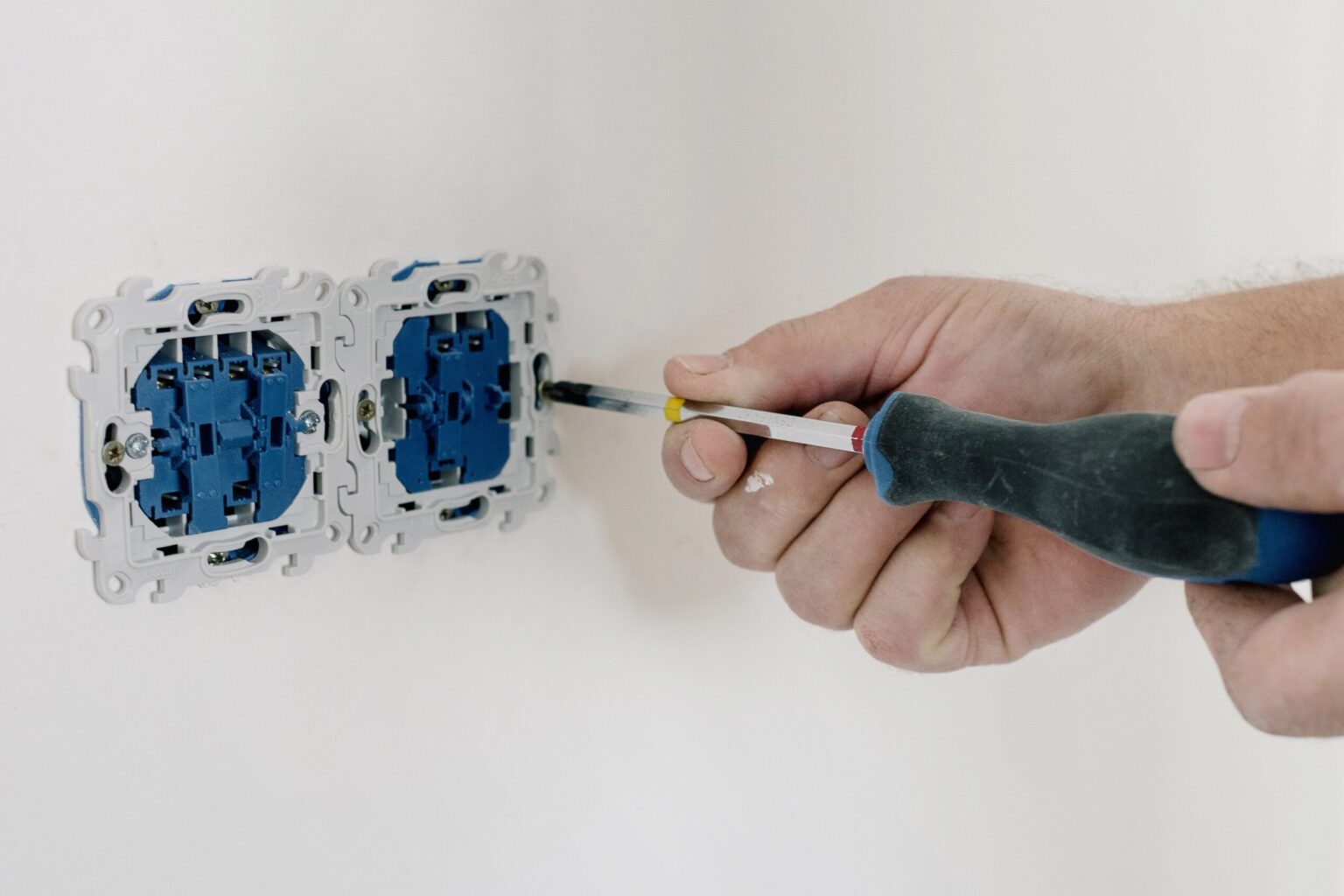
Domestic sockets aren't built to run at maximum current for 8–12 hours a day, every day. Every home installation in Singapore needs a Licensed Electrical Worker (LEW) to install and certify the charging station.
Three charging options exist for a landed home, and the right one depends on your electrical supply and how often you drive:
- Level 1 (3-pin, 2.3 kW). Uses a standard household socket. Adds 10–12 km of range per hour. A full charge takes 20–40 hours — a backup option only, too slow for daily use.
- Level 2 single-phase (7 kW AC wallbox). The standard for landed home charging in Singapore. Adds 35–40 km of range per hour and fully charges most EVs overnight in 8–10 hours.
- Level 2 three-phase (22 kW). Cuts a full charge to 2–4 hours but needs a three-phase electrical supply, which is uncommon in older landed homes.
AC charging is the practical choice for home use since it's cheaper than DC and matches how you actually use your car: parked overnight, for hours at a time. Commercial DC fast chargers can bring a battery to 80% in half an hour, but that speed isn't something you need or pay for at home. In Singapore, AC uses Type 2 inlets and DC is predominantly CCS2, so most chargers are compatible across car brands — though it's still worth matching the charger to your car's optimal voltage.
Which EV Charger Should You Buy?
A handful of brands cover most home installations in Singapore:
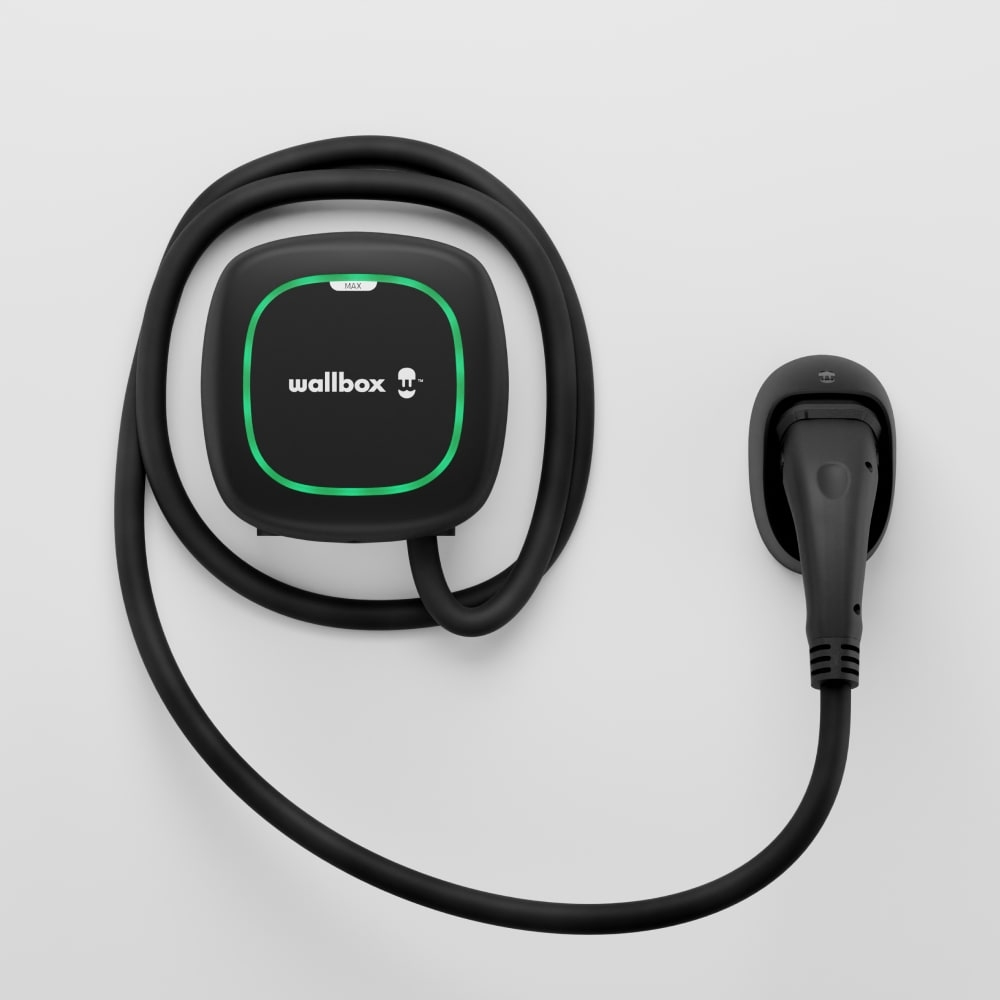
Wallbox
Wallbox’s Pulsar Max weighs just 1.3 kg but delivers up to 22 kW, with an IK10 rating for outdoor use. The myWallbox app can schedule charging sessions to coincide with solar production.

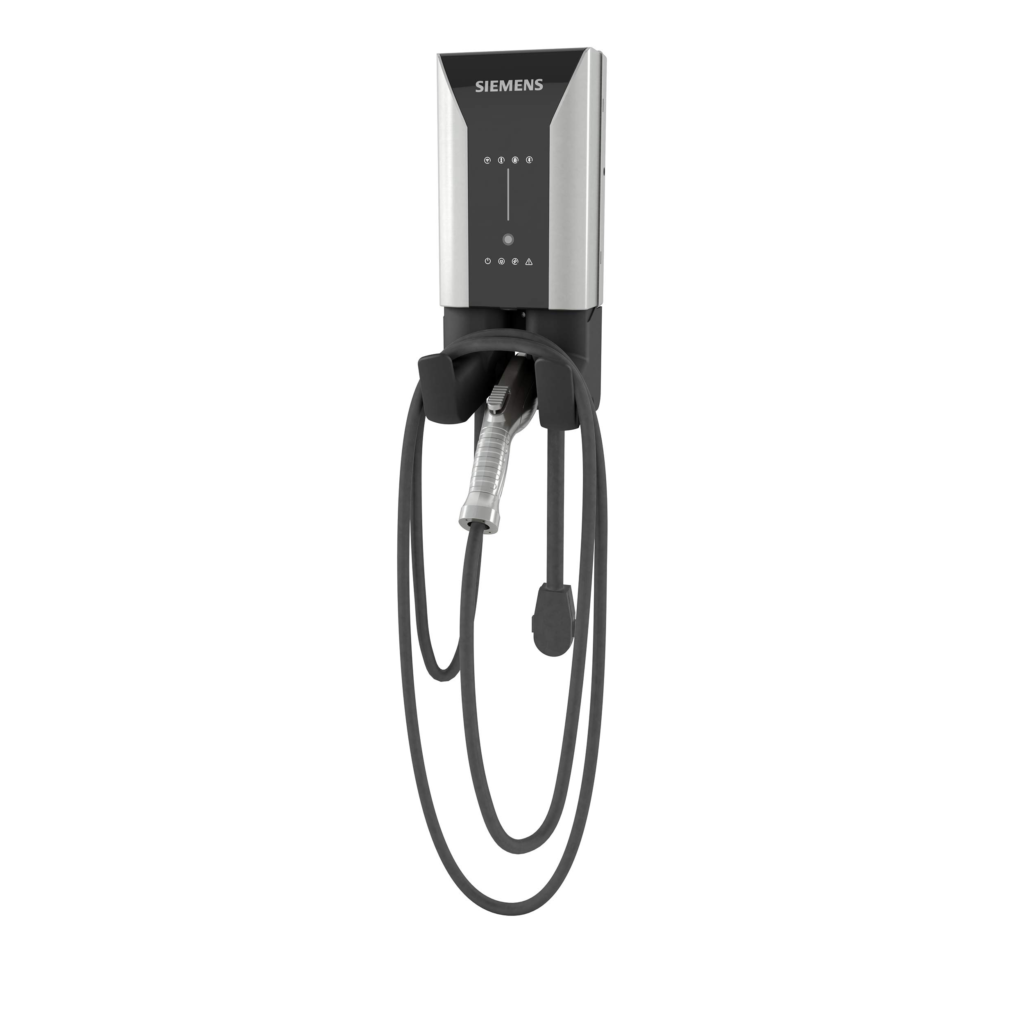
Siemens
Siemens‘ VersiCharge delivers up to 22 kW on its three-phase line and 7.4 kW single-phase, with IP56 and IK10 protection ratings.
EVBox
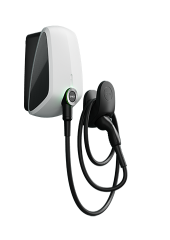
EVBox's Elvi comes in 7.4, 11, and 22 kW versions, with app-based remote monitoring and an IP54/IK10 rating.
Schneider
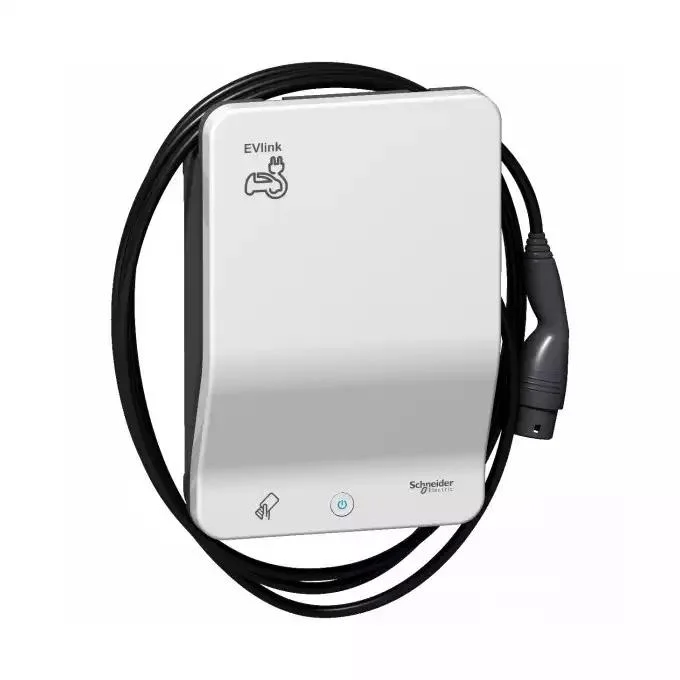
Schneider‘s EVlink Smart Wallbox ranges from 7.4 kW to 22 kW, with smart energy-management features and IP54/IK10 protection.
Where to Buy a Home EV Charger in Singapore
These suppliers sell home chargers in Singapore. For a side-by-side comparison of certified installers, including solar-ready options, see our guide to EV charger installation companies in Singapore.
Watt
Watt is a preferred installer of Wallbox. You can try out their Augmented Reality (AR) tool to visualise your new EV charger in your parking space.
EVSE Singapore
EVSE Singapore is part of the Novexx Group of companies, providing integrated engineering solutions. They are a partner installer of EO. At this time of writing, they offer two EO models at 3.6 and 7 kW, retailing for $1,580 and $1,880.
Eigen
Eigen Energy is a systems integrator in renewable energy solutions. Aside from electric vehicle charging infrastructure, they also specialise in solar photovoltaics and battery storage systems.
QuickCharge.sg
QuickCharge.sg covers the design, supply and installation of your EV home charger. Buying and installing their Aurora 7 residential EV charger, offered in 7 to 22 kW, would cost around $2,600 all-in. They even offer owners the opportunity to become Charging Point Operators, making money by selling electricity to drivers.
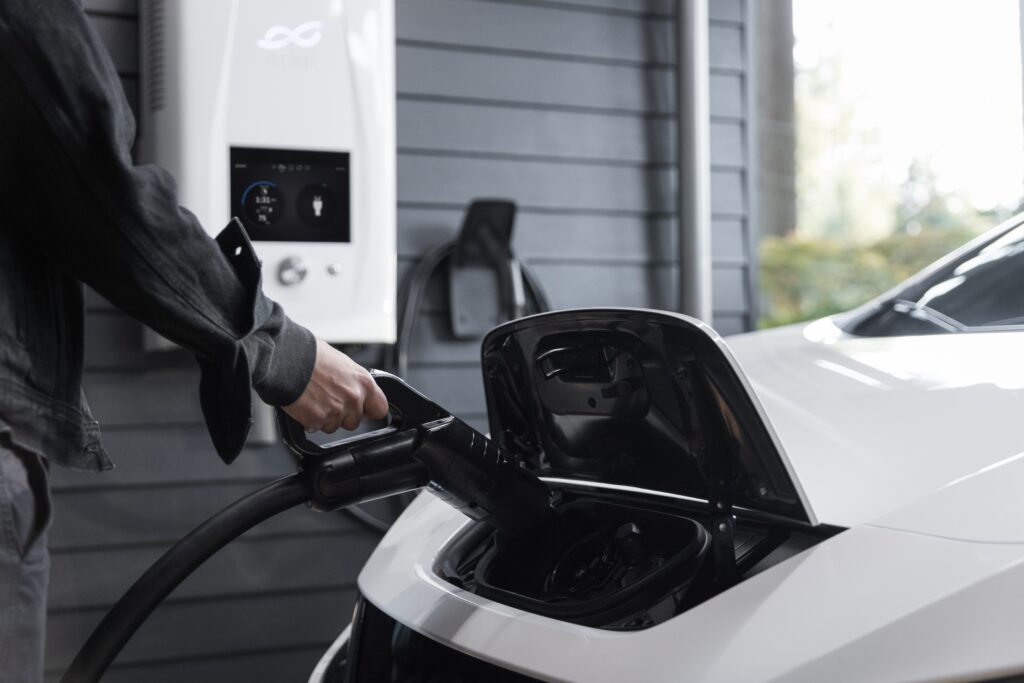
As more entrants come into the EV charging market, this list will grow and change. For example, Tesla has its own home charging unit which is currently available in Singapore. However, due to local regulations, the Tesla Wall Connector must be purchased and installed by a Tesla Certified Installer to ensure that the installation meets LTA's SS 722 charging standard, which replaced TR25 in April 2026.
How Much Does It Cost to Install an EV Charger at Home in Singapore?
Installing a home EV charger in Singapore costs $1,500 to $2,500 for a standard 7 kW wallbox, supplied and installed, and up to $4,500 for a smart charger with solar integration. Budget more if your switchboard needs an upgrade or your cable run is long.
Source: GetSolar landed installation data.
A Licensed Electrical Worker (LEW) endorsement is required for any home charger installation, and reputable installers include this in the quoted price.
Landed vs. Condo: What Can You Actually Install?
Landed homes. No MCST approval needed. You can install a 7 kW or 22 kW charger freely, and pairing it with rooftop solar is straightforward.
Condo and strata-landed. Installation requires MCST approval, which can slow things down. However, condo residents can tap the EV Common Charger Grant (ECCG), which co-funds 50% of eligible installation costs — capped at $4,000 per charger for the first 2,000 chargers approved, and $3,000 for the next 1,500. The ECCG runs until 31 December 2026 or until 3,500 chargers have been funded, whichever comes first.
HDB flats. Personal EV chargers can't be installed in public carpark lots. LTA continues rolling out shared charging points across HDB estates.
Can Your Electrical Supply Handle a 7 kW Charger?
Most Singapore landed homes run on 60A or 100A single-phase supply, and a 7 kW charger draws around 32A:
- 60A supply. Feasible, but headroom is tight alongside air conditioning, water heaters, and other loads. Your LEW may recommend load management or a panel upgrade.
- 100A supply. Comfortable capacity for 7 kW charging plus normal household loads.
- Three-phase supply. Rare in older builds, but enables 22 kW charging if faster top-ups matter to you.
A qualified LEW will assess your switchboard before installation. Budget for a possible upgrade if your supply is older or already heavily loaded.
How to Install a Home EV Charging Station in Singapore
Installing a home EV charging station in Singapore takes five steps: a site evaluation, choosing an LTA type-approved charger, a design proposal, the installation itself, and LEW certification followed by LTA registration. On a landed home, the installation work usually takes just a few hours.
Step 1: Request Installer Site Evaluation
The installer will assess your distribution board, cable routing and ascertain a suitable location for your charging station. Importantly, they should determine the charging capacity of your home.
Step 2: Select Your EV Charger
Your best charger depends on your electric car model’s charging capacity, and that of your home. You should select the recommended charging capacity for your car model and home. Only LTA type-approved charger models, which carry an LTA approval label, can be installed in Singapore. To shortlist who does the work, compare certified EV charger installers in Singapore.
Step 3: Finalise Design Proposal
Based on your preferences and property layout, your engineer will propose engineering works, application methods, and cable concealment.
If you are representing an MCST property or condominium, you will need to submit an additional construction permit. Private landed properties do not require this. Your installer will assist you with the necessary documentation.
Step 4: Installation Work
Your installer will position your EV charger by drilling and clipping the cable to the wall. While installing and connecting it to your main household supply, the power supply will be briefly turned off. This process will only take a few hours.
Step 5: LEW Certification and LTA Registration
The LEW brought in must test the safety of and certify the EV charging station, switchboard and wiring. If your home is under an MCST, the building LEW will also need to complete the approval sign off. The charger is now yours, and you should periodically make arrangements to inspect and maintain the charging station.
Before the charger is first used, it must be registered with LTA. Your installer can usually handle the paperwork, but registration is the charger owner's responsibility.
How Much Does It Cost to Charge Your EV in Singapore?
A typical EV driver covers 1,200–1,500 km a month, consuming around 250–300 kWh to do it. The cost per kWh varies sharply by charging method:
Sources: SP Group regulated tariff, Q4 2026 (1 October–31 December); GetSolar landed installations.
Charging at home costs around 31.16¢/kWh at the current SP Group regulated tariff for October to December 2026, roughly $680 to $1,760 a year less than relying on public DC fast charging. Pairing home charging with rooftop solar saves close to another $830 a year on top of that. The SP Group tariff is revised every quarter, so this figure will shift (check the linked EMA page for the current rate before quoting it elsewhere).
How Solar Cuts Your EV Charging Cost
A 10 kWp landed solar system in Singapore generates around 1,200–1,500 kWh a month. Spread over the system's 25-year lifespan, its levelised cost of electricity (LCOE) — the true cost per kWh once you account for the full system cost — lands around $0.06–$0.10, per GetSolar's landed installation data, a fraction of the current SP Group tariff.
Apply that to EV charging:
- 300 kWh/month at $0.08 effective cost = $24/month
- Same usage at the current SP Group rate of 31.16¢/kWh = $93/month
- Saving: around $69/month, close to $830/year, about $20,800 over the system's 25-year lifespan from EV charging alone
Smart EV chargers paired with solar can prioritise generation when panels are producing — charging the car first, before drawing from the grid. When solar output drops, the charger adjusts automatically.
Putting It All Together: Solar + EV Charger Economics
Here's a worked example for a landed homeowner with a $300/month SP Group bill and 1,500 km/month of EV driving:
- Combined upfront cost: 10 kWp solar at $15,000–$20,000 (or Rent-to-Own at $0 upfront) + 7 kW smart EV charger at $2,500–$4,500
- Combined monthly savings: $200–$300 from electricity offset, plus around $69 from EV charging displacement
- Payback period: 4–6 years for the bundled investment
- 25-year cumulative savings: $70,000–$90,000+ across both upgrades — roughly equivalent to a full car replacement
For a deeper look at what solar costs for a landed home in Singapore, see our complete guide to residential solar panel costs. For help reading where these savings show up on your bill, see how to read your electricity bill in Singapore
Stop Paying for Electricity You Could Be Generating
A home EV charger costs $1,500–$4,500 to install in Singapore. Pair it with rooftop solar and the marginal cost of every km you drive drops close to zero. If you're already an EV owner without solar, you're leaving close to $830 a year on the table.
Check out our free solar calculator to calculate your potential roof savings, or chat with our solar advisors for a no-obligation assessment.
Frequently Asked Questions
How much does it cost to install an EV charger at home in Singapore?
A basic 7 kW wallbox costs $1,500–$2,500 fully installed. Smart chargers with solar integration, panel upgrades, or long cable runs can push that to $4,500.
How do I install an EV charger at home in Singapore?
Get a site evaluation from a certified installer, choose an LTA type-approved charger that matches your car, approve the design proposal, and have the charger installed and certified by a Licensed Electrical Worker. Register it with LTA before you first use it.
Can I install an EV charger if I live in a condo?
Yes, but you'll need MCST approval first. Condo residents can also apply for the EV Common Charger Grant, which co-funds up to 50% of the installation cost.
Is AC or DC charging better for a home charger?
AC. It's cheaper, and an 8–10 hour overnight charge matches how you already park your car. DC fast charging is built for quick top-ups on the road, not overnight home use.
How much does it cost to charge an EV at home versus at a public charger?
Home charging at the current SP Group tariff costs about 31.16¢/kWh, versus $0.50–$0.80/kWh at public DC fast chargers, so a typical driver saves roughly $680 to $1,760 a year by charging at home.
Does solar actually make EV charging cheaper?
Yes. Solar's effective cost per kWh runs $0.06–$0.10, versus 31.16¢/kWh from the grid. For a typical EV driver, that's close to $830 a year in savings.

Rent-to-Own Solar for Business with Guaranteed Performance
Immediate ROI



Rent-to-Own Solar. $0 Upfront cost. Guaranteed Savings
(10-Year RTO plan)
+ 10-Year Free Maintenance

Be part of The Solar Collective, where we share the latest updates, tips, and discussions on solar energy.